767-200
Boeing
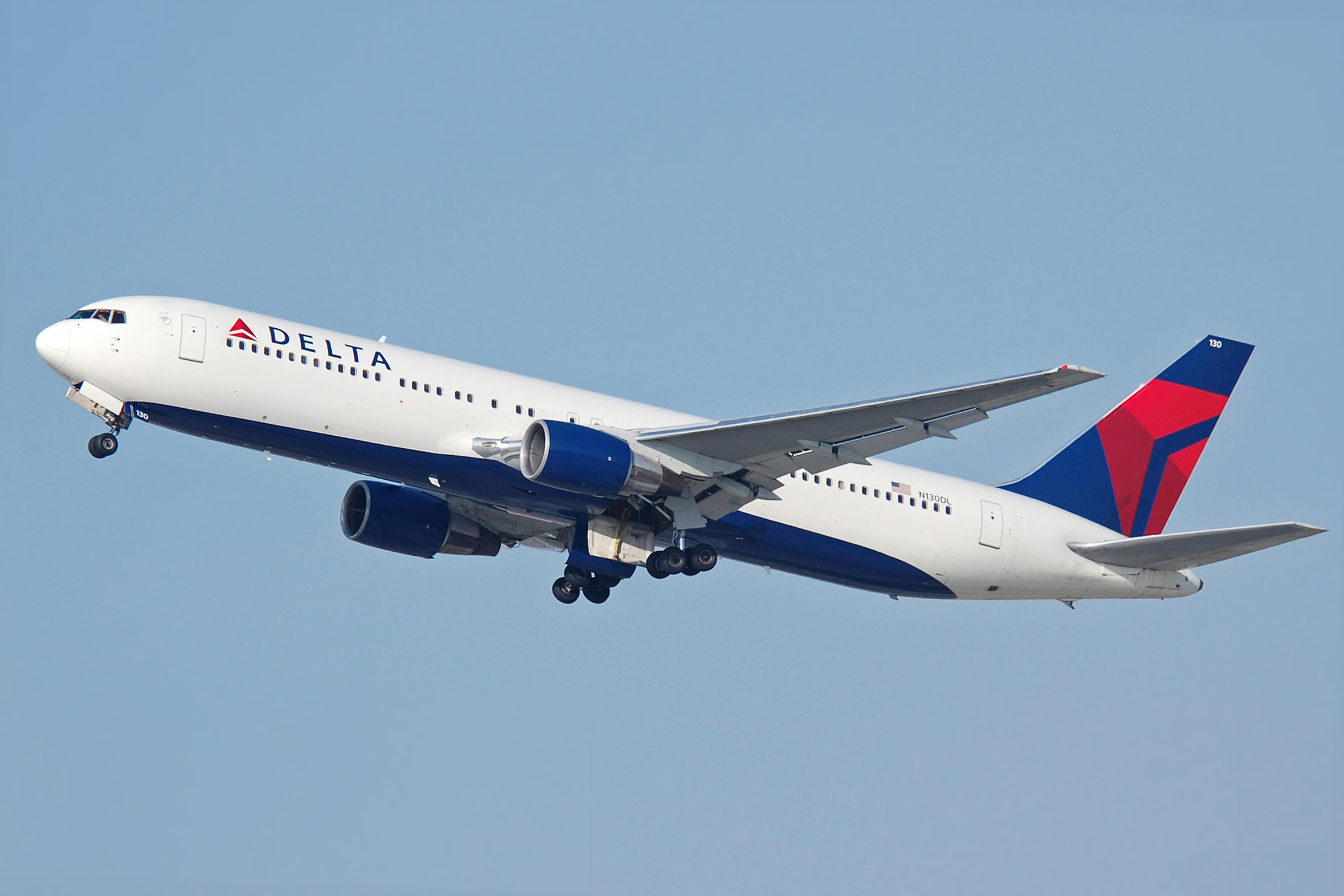
Historical Context & Origins
The end of the 1970s was an era of profound transformations for the aeronautical industry, driven by the energy crisis and a crucial need for more economical aircraft. Airlines were looking for efficient solutions for medium-long haul routes, which could combine operating economy with superior passenger comfort.
Boeing responded to this challenge with an ambitious joint development program, known as "7X7", which resulted in two distinct models: the single-aisle 757 and the twin-aisle 767. The vision was bold: to create a wide-body twin-engine airplane that could bridge the gap between narrow-body aircraft and giants like the 747.
The culmination of these engineering and strategic efforts was the Boeing 767-200, which made its first flight on September 26, 1981. This event marked the birth of a versatile and incredibly efficient platform, designed to set new standards in terms of operating costs, autonomy and passenger comfort.
Architecture & Technological Design
The 767-200 featured cutting-edge engineering architecture, combining the virtues of a twin-engine configuration for the first time in a wide-body aircraft. Its wide-body, twin-aisle design offered passengers ample space and a more open feel, a perfect blend of comfort and performance.
One of the most revolutionary innovations was the introduction of a two-pilot digital cockpit, a truly revolutionary man-machine interface for its time. Thanks to integrated digital systems and multifunction displays, the crew's workload was significantly reduced, lowering operating costs and ushering in a new era in cockpit design.
The adoption of a wing with a supercritical profile and the strategic use of advanced composite materials contributed significantly to the reduction of weight and the improvement of aerodynamic performance. These aerodynamic solutions, combined with cutting-edge twin-engine propulsion, allowed the 767-200 to operate with considerable range and unprecedented efficiency.
Onboard Specifications
- ◆Advanced digital cockpit: With multi-function CRT displays that replaced numerous analog gauges, simplifying flight management and reducing pilots' workload.
- ◆High Efficiency Supercritical Wing: Designed to maximize lift and reduce drag in the transonic regime, dramatically improving fuel efficiency over its predecessors.
- ◆Integrated Flight Management System (FMS): An electronic brain that optimized flight paths, fuel consumption and performance, essential for long-range navigation and operational efficiency.
Operational Career & Operators
The Boeing 767-200 triumphantly entered service with United Airlines on December 14, 1981, enjoying resounding success and an immediate impact on the industry. It was quickly adopted by other major global carriers such as Delta Air Lines and American Airlines, who appreciated its exceptional balance of capacity and autonomy.
Its reliability and the progressive obtaining of ETOPS (Extended-range Twin-engine Operational Performance Standards) certifications were a real turning point. These certifications allowed twin-engine aircraft to fly ocean routes with limited diversion areas, paving the way for new transatlantic and trans-Pacific connections, and solidifying confidence in the twin-engine configuration for long-haul flights.
The 767-200 became a workhorse for transcontinental and, later, intercontinental routes, challenging the dominance of larger and less efficient trijets and quadrijets with its extraordinary performance. It tangibly demonstrated the potential of twin-engine aircraft, challenging pre-existing operational paradigms.
Legacy & Cultural Impact
The Boeing 767-200 has left an indelible legacy in commercial aviation, serving as the pioneer of the ETOPS era and unequivocally demonstrating the reliability and safety of twin-engine aircraft for long-haul flights. It was a true catalyst for innovation, paving the way for successful successors such as the Boeing 777.
Its design robustness is demonstrated by its extraordinary longevity: many examples continue to fly today, almost four decades after its debut, employed in cargo or charter roles in every corner of the world. This legendary reliability is a tribute to its engineering excellence and forward-thinking concept.
The 767-200 was not just an airplane, but a tangible symbol of technological progress and greater efficiency in the skies. It has shaped passenger expectations and airline operational strategies, redefining the concept of long-haul flying and helping to make the global travel experience more accessible and comfortable.
Telemetria Specs (HUD)
Hangar Trivia & Curiosità
- 💡The 767-200 was instrumental in pioneering ETOPS (Extended-range Twin-engine Operational Performance Standards) regulations, allowing twinjets to fly routes previously reserved for aircraft with three or more engines.
- 💡It shared a common type rating with the Boeing 757, significantly reducing training costs for airlines whose pilots could fly both aircraft types.
- 💡The aircraft's development marked a significant shift towards more fuel-efficient, twin-engine wide-body designs, challenging the dominance of larger trijets and quadjets.
Archivio Avvistamenti Spotter
Immagini scattate dalla community in tutto il mondo
Vettori Rilevati (Flotta Storica / Dismessa)


Air Canada
Stato: Dismesso

American Airlines
Stato: Dismesso
Gulf Air
Stato: Dismesso
TWA (Trans World Airlines)
Stato: Dismesso

Condor Flugdienst
Stato: Dismesso

British Airways
Stato: Dismesso
United Airlines
Stato: Dismesso

Qantas
Stato: Dismesso
Aeroméxico
Stato: Dismesso
Ansett Australia
Stato: Dismesso
El Al
Stato: Dismesso
Delta Air Lines
Stato: Dismesso

Japan Airlines
Stato: Dismesso
All Nippon Airways
Stato: Dismesso