757-200
Boeing
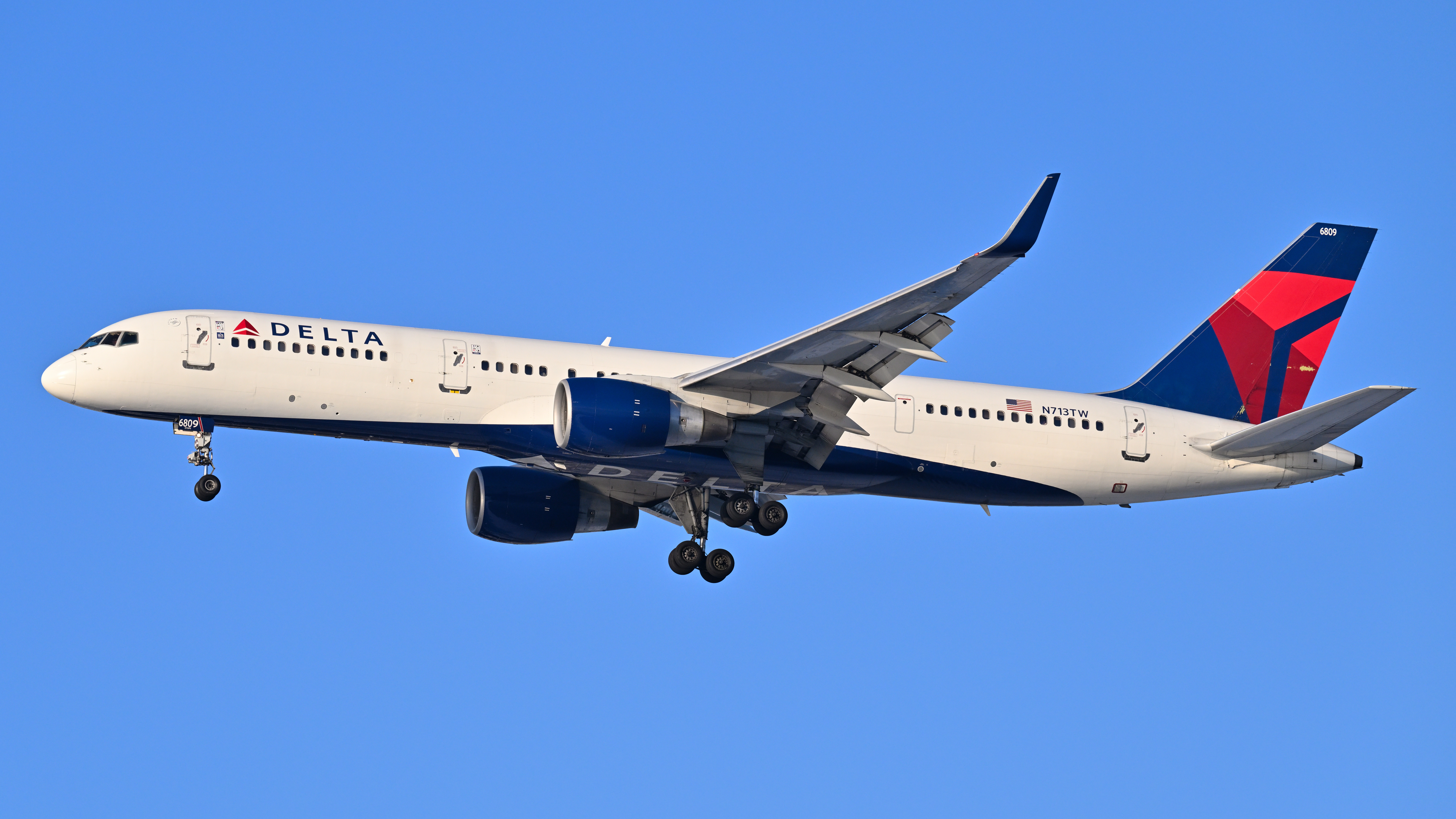
Historical Context & Origins
The Boeing 757-200 emerged in an era of profound transformation for the aviation industry, presenting itself as the ideal successor to the hugely popular Boeing 727. Conceived to meet the growing demand for medium-range, high-frequency flights, it offered unprecedented fuel efficiency for its category, a direct response to the oil crises of the 1970s. This made it a strategic investment for airlines looking to modernize their fleets.
Developed in parallel with the larger Boeing 767, the 757 benefited from extraordinary cockpit design commonality, allowing pilots to be certified on both types with minimal additional training. This innovative approach significantly reduced operating costs for carriers. Its first flight occurred in February 1982, marking the beginning of a legendary career that would redefine the parameters of narrow-body aircraft.
Architecture & Technological Design
The architecture of the 757-200 was an engineering masterpiece, designed to maximize performance and efficiency. Featuring a narrow fuselage, single aisle and twin-engine configuration, it was distinguished by its advanced supercritical wing, which ensured superior aerodynamics, reducing drag and allowing high cruising speeds with lower fuel consumption. The adoption of composite materials in different areas of the structure contributed to significant weight savings.
The technological heart of the 757 lay in its state-of-the-art cockpit, Boeing's first digital glass cockpit for a narrow-body. This system, inherited from the 767, reduced pilot workload and increased operational safety. Power was provided by two high-bypass turbofan engines, including the Rolls-Royce RB211 or the Pratt & Whitney PW2000, which gave the aircraft impressive, almost "rocket-like" takeoff and climb capabilities.
Onboard Specifications
- ◆Cockpit commonality with the Boeing 767, revolutionizing fleet management.
- ◆Advanced digital Flight Management System (FMS), for precise and automated navigation.
- ◆Powerful high-bypass turbofan engines, ensuring exceptional take-off and climb performance.
Operational Career & Operators
The Boeing 757-200 has enjoyed an extremely versatile and successful operational career, becoming a workhorse for airlines around the world. Its remarkable autonomy, combined with its exceptional performance, made it ideal for transcontinental and even transatlantic routes, especially after obtaining ETOPS (Extended-range Twin-engine Operational Performance Standards) certification, which allowed it to fly on ocean routes with a single operational engine.
Carriers such as Delta Air Lines, American Airlines, United Airlines and British Airways have operated extensive fleets of the 757, taking advantage of its ability to serve high-density markets with high frequency. It was prized for its ability to operate from airports with shorter runways and for its rapid climb capabilities, which reduced flight times and minimized delays. His agility and strength earned him the affectionate nickname "flying pencil" or "rocket".
Legacy & Cultural Impact
Despite ceasing production in 2004, the Boeing 757-200 continues to be a mainstay in the aviation industry, especially as a converted freighter aircraft, demonstrating its structural strength and longevity. Many examples are still in active service with cargo operators and for special missions, testifying to the excellence of its original design.
The 757 has left an indelible legacy, serving as a technological bridge between previous generations of aircraft and more modern twin-engine aircraft such as the 737NG and A321. Its streamlined fuselage, tapered wings and unrivaled performance have cemented its status as an icon of aeronautical engineering, celebrated by pilots and enthusiasts. Its impact remains visible in the efficiency and versatility it brought to medium-range air transportation.
Telemetria Specs (HUD)
Hangar Trivia & Curiosità
- 💡It was renowned for its 'hot and high' performance, allowing it to operate efficiently from challenging airports like Denver or LaGuardia with short runways.
- 💡Despite being a twin-engine jet, the 757-200 was among the first narrow-body aircraft to receive ETOPS certification, enabling it to fly transatlantic routes.
- 💡Many passenger 757s have been converted into freighters (757-200SF/PF), highlighting the airframe's durability and adaptability for cargo operations.
Archivio Avvistamenti Spotter
Immagini scattate dalla community in tutto il mondo