747-300
Boeing
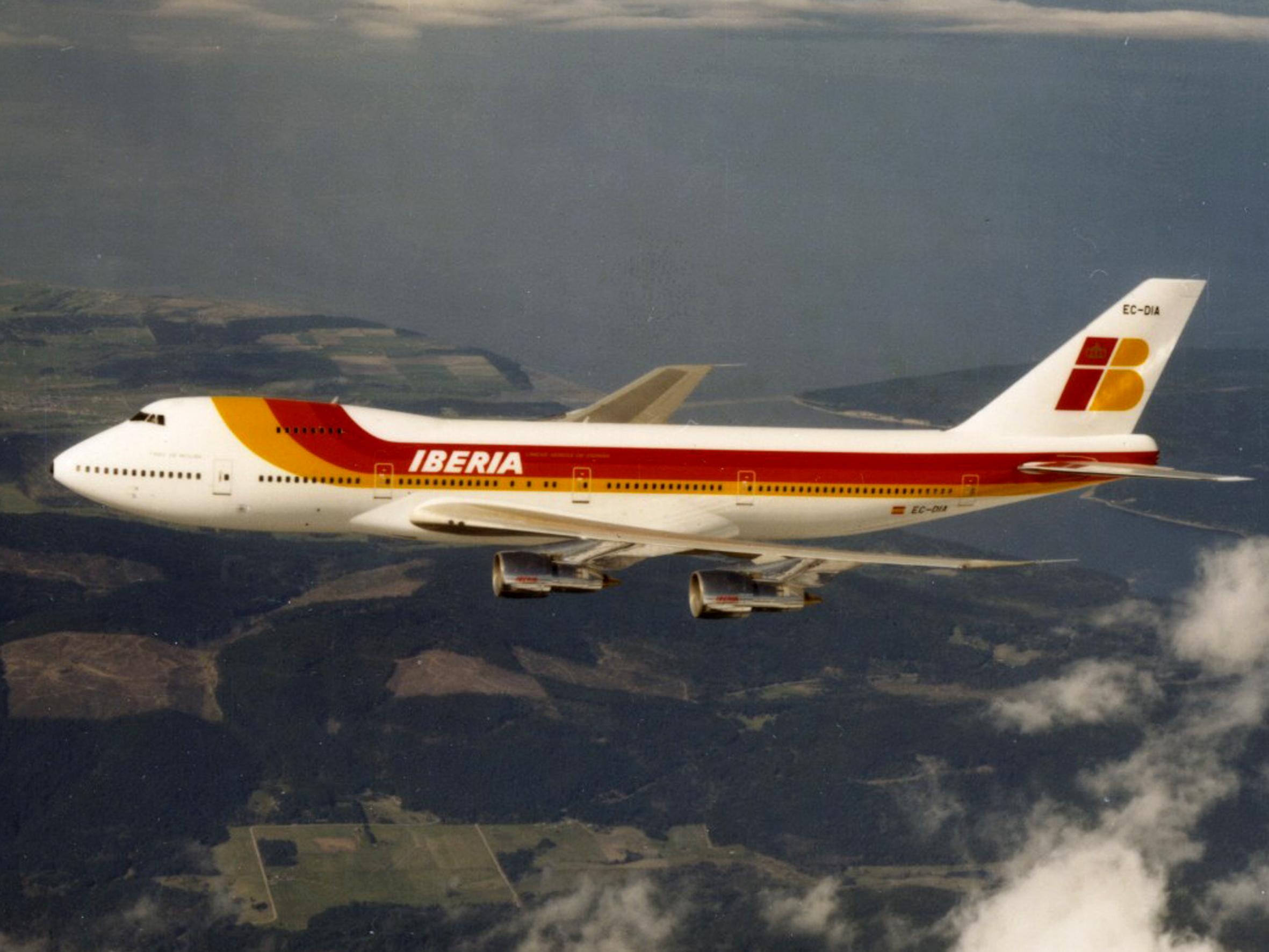
Historical Context & Origins
The Boeing 747-300, whose first flight took place in 1982, represented a crucial evolutionary step within the "Jumbo Jet" family, the undisputed symbol of the wide-body era. Born from the need to capitalize on the success of its predecessors -100 and -200, it aimed to consolidate Boeing's leadership in mass and intercontinental air transport.
This variant was not a radical redesign, but a refinement aimed at meeting growing demands for increased passenger capacity and improved operational efficiency. Its concept responded to airlines' desire to optimize costs per seat offered, especially on high-density long-haul routes.
The 747-300 was strategically positioned as the link between the initial versions and the future, more advanced, -400 series. It embodied Boeing's desire to continue to innovate, while maintaining the robustness and reliability that had made the original 747 famous.
Architecture & Technological Design
The most significant and immediately recognizable innovation of the Boeing 747-300 was the introduction of the Stretched Upper Deck. This widening of the iconic hump allowed a substantial increase in passenger capacity, particularly for premium or business classes, offering greater flexibility to airlines.
In addition to the upper deck extension, the 747-300 benefited from upgrades to its propulsion systems. It could be equipped with a variety of advanced turbofan engines, ensuring greater fuel efficiency and reduced noise compared to earlier generations, contributing to more favorable operating economics.
The cockpit largely retained the architecture of previous models, characterized by rich analog instrumentation, but incorporated minor improvements to the avionics and navigation systems to optimize performance and reduce pilot workload. The tested and proven fuselage and wings remained essentially unchanged, preserving the excellent aerodynamic characteristics of the original design.
Onboard Specifications
- ◆Elongated Upper Deck (SOUTH): Distinctive innovation that increased passenger capacity, offering larger and more versatile spaces.
- ◆Upgraded Turbofan Engines: Pratt & Whitney, General Electric or Rolls-Royce powertrain options are more efficient and quiet than previous models.
- ◆Optimized Cabin Interior: Improvements in the layout and comfort of the passenger cabin, in line with the emerging standards of the time.
Operational Career & Operators
The Boeing 747-300 quickly found its place in the fleets of major global airlines, proving itself as a reliable operator for long-haul, high-density routes. Carriers such as Swissair, Japan Airlines (JAL), Qantas and UTA French Airlines were among the first and most important operators of this variant.
Its expanded capacity made it particularly attractive for transpacific and transatlantic routes, where the volume of passengers justified the use of an aircraft of this size. Although not produced in the -200 or -400 series numbers, the -300 served with distinction for nearly two decades in its primary functions.
Many examples of the 747-300 were subsequently converted into cargo versions or withdrawn from passenger service with the arrival of the more technological and economical 747-400. Its operational career, while not the longest among the 747s, was significant for its ability to meet specific market needs in a period of constant growth in air traffic.
Legacy & Cultural Impact
The Boeing 747-300, although often overshadowed by the popularity of the -200 and -400 versions, left an indelible mark on the evolution of double-deck aircraft. It represents a perfect example of how aeronautical engineering can improve and adapt a successful design to remain competitive and meet new industry challenges.
His innovation of the extended upper deck not only increased capacity but also helped redefine interior configurations, influencing future wide-body aircraft designs. It was a testament to the continued desire for premium comfort and space on board, a trend that continues to this day.
Despite being a transitional variant, the 747-300 cemented the Jumbo Jet's reputation as an icon of civil aviation, a symbol of accessible and luxurious air travel. Its presence in the skies has helped keep the image of the "Queen of the Skies" alive, carrying the legacy of the 747 towards its more modern and technologically advanced iterations.
Telemetria Specs (HUD)
Hangar Trivia & Curiosità
- 💡La caratteristica più distintiva del 747-300 è il suo "Stretched Upper Deck" (SUD), che ha raddoppiato la lunghezza del ponte superiore rispetto alle varianti precedenti del 747.
- 💡Inizialmente, Boeing aveva considerato di denominare questa variante come '747SUD', evidenziando l'importanza della modifica al ponte superiore.
- 💡A differenza di molti 747-100 e 747-200, il 747-300 spesso presentava una scala diritta per accedere al ponte superiore, in contrasto con la scala a chiocciola.
Archivio Avvistamenti Spotter
Immagini scattate dalla community in tutto il mondo
Vettori Rilevati (Flotta Storica / Dismessa)


Swissair
Stato: Dismesso
TAP Air Portugal
Stato: Dismesso

Qantas
Stato: Dismesso

Air France
Stato: Dismesso

Japan Airlines
Stato: Dismesso
Pakistan International Airlines
Stato: Dismesso
Korean Air
Stato: Dismesso

Cathay Pacific
Stato: Dismesso

Varig
Stato: Dismesso
Philippine Airlines
Stato: Dismesso
South African Airways
Stato: Dismesso
Thai Airways
Stato: Dismesso

Singapore Airlines
Stato: Dismesso
Air India
Stato: Dismesso
EgyptAir
Stato: Dismesso