747-200C/M
Boeing
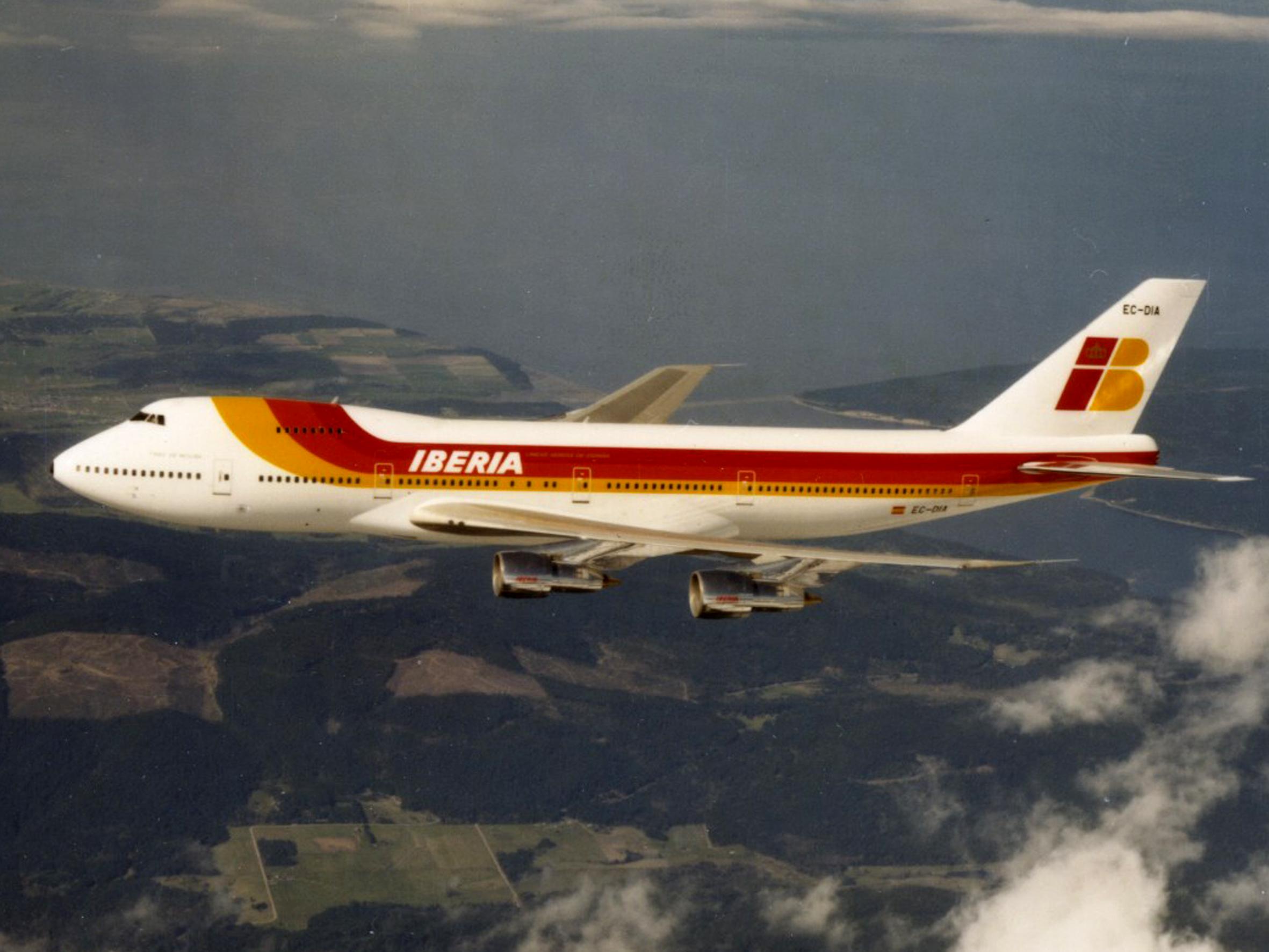
Historical Context & Origins
The Boeing 747, nicknamed the "Jumbo Jet", has revolutionized air travel since its debut. In the 1970s, as passenger traffic grew exponentially, a clear need for greater operational flexibility also emerged for airlines. They were looking for an aircraft capable of quickly adapting to changing market demands, carrying both passengers and cargo or converting entirely to cargo.
It was in this context that the Boeing 747-200C/M saw the light of day, with its first flight in 1973. This variant of the famous 747-200, already appreciated for its performance and capabilities, was designed to offer unprecedented versatility. The "C" designation stood for "Convertible", indicating the ability to reconfigure from passenger to cargo or vice versa, while "M" for "Combi" (Mixed), allowed simultaneous transportation of passengers and cargo on the main deck.
Architecture & Technological Design
The architecture of the 747-200C/M was an engineering marvel, designed to maximize its adaptability. The heart of this flexibility lay in a reinforced main deck floor, capable of withstanding the weight of heavy loads, and the integration of cargo handling systems directly into the passenger cabin or cargo section.
These variants were distinguished by the presence of a large side loading door on the main deck, often on the left side of the fuselage. The "C" models could also be equipped with a front cargo door hinged at the nose, allowing the introduction of bulky and oversized cargo, a feature that made the 747-200C a true heavy-haul workhorse. It was equipped with powerful engines, including the Pratt & Whitney JT9D, General Electric CF6 and Rolls-Royce RB211.
Onboard Specifications
- ◆Hinged front loading door (Nose Loading Door): Allowed the loading of exceptionally large goods.
- ◆Cargo Roller and Winch System: Facilitated the rapid movement and securing of pallets and containers.
- ◆Modular Interior Configurability: Allowed quick conversion between passenger, cargo or combined layouts.
Operational Career & Operators
The Boeing 747-200C/M quickly became an invaluable asset for numerous global airlines and cargo operators. Carriers such as Lufthansa, KLM, Sabena and Air France took full advantage of its "Combi" capability to optimize less busy routes, carrying passengers in the front section and cargo in the rear of the main deck.
The "Convertible" version was fundamental to the growth of air cargo transport, allowing companies to adapt their fleet to seasonal variations or specific needs. Its robustness and load capacity made it a pillar for the expansion of international trade and for complex logistical operations, including special transports for the oil or aerospace industry.
Legacy & Cultural Impact
The Boeing 747-200C/M left an indelible legacy in aviation, demonstrating the incredible value of flexibility and adaptability in aircraft design. It pioneered more advanced cargo and combi aircraft concepts, influencing subsequent generations of aircraft dedicated to mixed or exclusively cargo transport.
While its newer variants have taken over, the 747-200C/M remains an engineering icon and a symbol of the human ability to innovate to meet complex needs. Its history bears witness to an era of exponential growth in air transport and the crucial role of an aircraft that has been able to be simultaneously a transporter of dreams and a pillar of global logistics.
Telemetria Specs (HUD)
Hangar Trivia & Curiosità
- 💡La configurazione Combi permetteva il trasporto simultaneo di passeggeri nella sezione anteriore del ponte principale e merci in quella posteriore, separate da una paratia rigida.
- 💡La versione 'Convertible' (747-200C) poteva essere rapidamente trasformata da aereo passeggeri ad aereo cargo puro, grazie a sedili e attrezzature di bordo completamente rimovibili.
- 💡Molti 747-200, inclusi i modelli C/M, hanno servito per decenni nel settore cargo, superando la vita operativa di molte controparti puramente passeggeri grazie alla loro robustezza e adattabilità.
Archivio Avvistamenti Spotter
Immagini scattate dalla community in tutto il mondo
Vettori Rilevati (Flotta Storica / Dismessa)


KLM Royal Dutch Airlines
Stato: Dismesso

Lufthansa
Stato: Dismesso

Swissair
Stato: Dismesso
Sabena
Stato: Dismesso

Air France
Stato: Dismesso
Korean Air
Stato: Dismesso
South African Airways
Stato: Dismesso

Varig
Stato: Dismesso
China Airlines
Stato: Dismesso
Malaysia Airlines
Stato: Dismesso
Philippine Airlines
Stato: Dismesso
Thai Airways
Stato: Dismesso
Pakistan International Airlines
Stato: Dismesso
Martinair
Stato: Dismesso