747-200B
Boeing
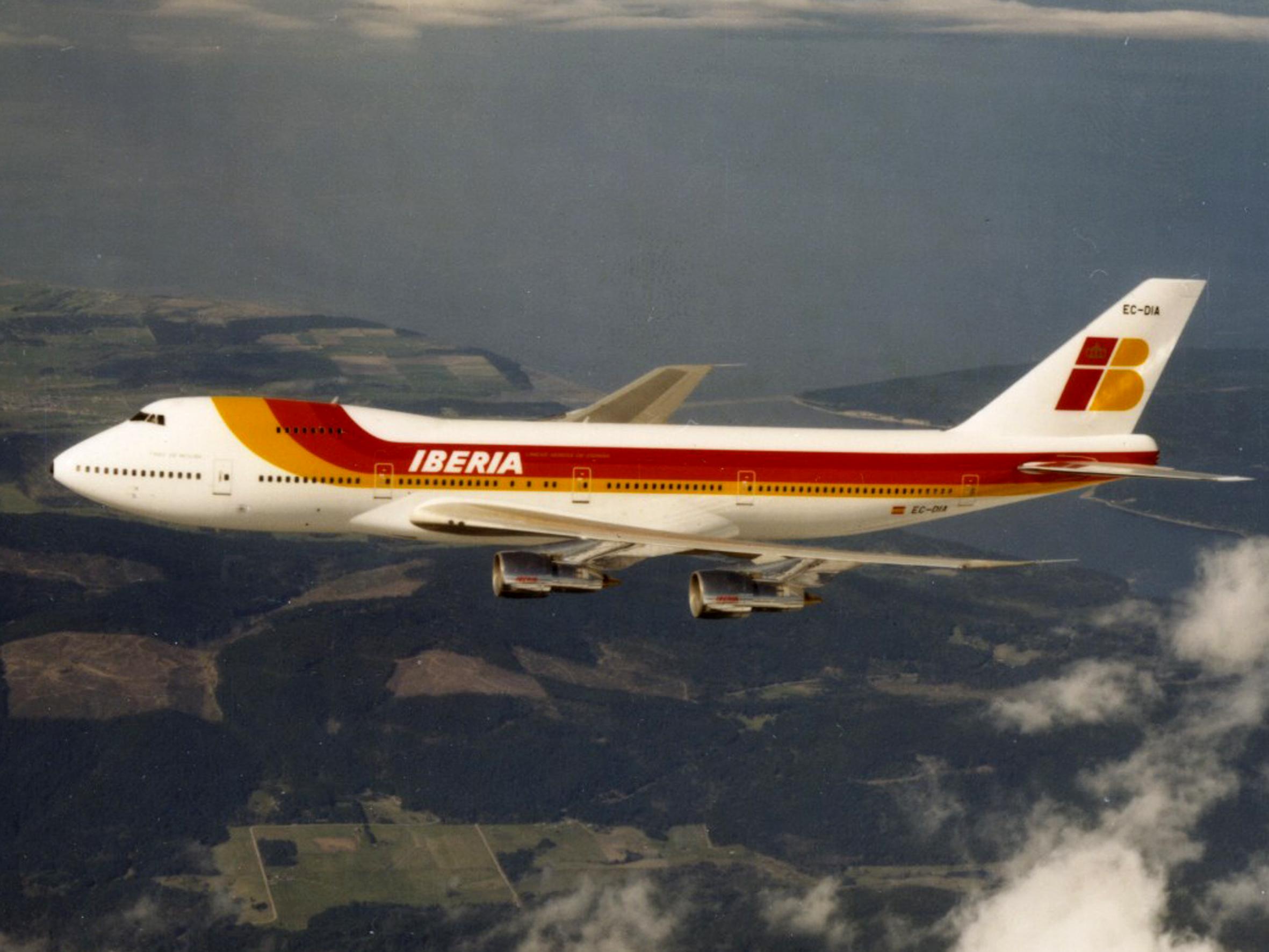
Historical Context & Origins
The Boeing 747, the "Jumbo Jet", redefined commercial aviation in the late 1960s. The enormous success of the 747-100, with its first flight in 1969, revealed a huge market hunger for greater capacity and range, pushing Boeing into a natural evolution.
Boeing's answer was the 747-200, and in particular the 747-200B, which made its first flight in 1970. It was not a revolution compared to its predecessor, but a strategic evolution designed to dramatically improve operational performance and economic efficiency, cementing the 747's position as the undisputed king of the long-range skies.
This variant quickly became the backbone of many international airlines, democratizing intercontinental travel thanks to its ability to carry unprecedented numbers of passengers and cargo over greater distances. The Boeing 747-200B embodied the confidence and optimism of the jet age, marking a golden era for aviation.
Architecture & Technological Design
The architecture of the 747-200B retained the distinctive silhouette of its predecessor, with the iconic "hump" on the upper deck. The crucial difference lay under the wings: the ability to fit more powerful engines and a strengthened aerostructure to support a significantly higher maximum take-off weight (MTOW).
This configuration allowed the -200B to accommodate a greater amount of fuel and payload, resulting in extended range and unparalleled operational flexibility. Engine options included the legendary Pratt & Whitney JT9D, General Electric CF6 and Rolls-Royce RB211, offering airlines a choice tailored to their specific needs.
The design also retained the large double-aisle interior, configurable for different classes of service, with the upper deck often used for lounge or premium seats. The structural strength of the 747-200B was exemplary, ensuring reliability and operational longevity in an era of increasing air traffic.
Onboard Specifications
- ◆Greater autonomy and load capacity: Essential for transoceanic routes and the operational profitability of airlines.
- ◆Improved avionics systems: Including more sophisticated autopilots and inertial navigation systems, cutting edge for its time in safety and precision.
- ◆Diversified Engine Options: Provided flexibility to airlines based on desired performance, operating costs and specific maintenance requirements.
Operational Career & Operators
The Boeing 747-200B quickly became a workhorse around the world, operated by aviation giants such as Pan Am, British Airways, Lufthansa, Japan Airlines, and Saudi Arabian Airlines. Its reliability and ability to generate profits made it an irreplaceable mainstay on long-haul routes for decades.
It was not limited to passenger transport; the cargo variant, the 747-200F, and the combined passenger/cargo versions (747-200C) demonstrated its unrivaled versatility. It was also chosen for special roles, including conversion into presidential aircraft such as Air Force One (VC-25A) for the United States, symbolizing its undisputed stature and reliability.
Many examples of the 747-200B have flown for over 30 or even 40 years, a testament to its impeccable design and unrivaled ruggedness. Its presence in the skies was a reassuring and iconic sight for millions of travelers, a symbol of global connection.
Legacy & Cultural Impact
The Boeing 747-200B left an indelible legacy, cementing the "Jumbo Jet"'s status as an icon of the modern era of air travel. Affectionately nicknamed the "Queen of the Skies", she has shaped the collective imagination of intercontinental flights and the adventure of global travel.
It has played a vital role in expanding global air links, making distant destinations accessible and spurring the growth of international tourism on a scale never seen before. Its scale and grandeur have also influenced airport design, requiring larger runways and terminals and specific handling equipment.
While much of the 747-200B fleet has been retired, its impact endures. It remains a symbol of bold engineering and a golden age of aviation, whose unmistakable silhouette will continue to inspire generations of enthusiasts and dreamers.
Telemetria Specs (HUD)
Hangar Trivia & Curiosità
- 💡Il 747-200B fu la prima variante del 747 ad offrire una scelta di motori da diversi produttori (Pratt & Whitney, General Electric, Rolls-Royce).
- 💡Molti aeromobili 747-200 furono successivamente convertiti in cargo (747-200F) per estendere la loro vita operativa, dato il robusto design.
- 💡L'Air Force One (VC-25A) in uso dalla Presidenza degli Stati Uniti è basato sulla cellula del Boeing 747-200B, sebbene fortemente modificata e aggiornata.
Archivio Avvistamenti Spotter
Immagini scattate dalla community in tutto il mondo
Vettori Rilevati (Flotta Storica / Dismessa)


Northwest Airlines
Stato: Dismesso

Lufthansa
Stato: Dismesso
Pan American World Airways
Stato: Dismesso

Air France
Stato: Dismesso

British Airways
Stato: Dismesso
Korean Air
Stato: Dismesso
United Airlines
Stato: Dismesso
South African Airways
Stato: Dismesso

Qantas
Stato: Dismesso

Alitalia
Stato: Dismesso

KLM Royal Dutch Airlines
Stato: Dismesso

Singapore Airlines
Stato: Dismesso

Japan Airlines
Stato: Dismesso
