747-100B
Boeing
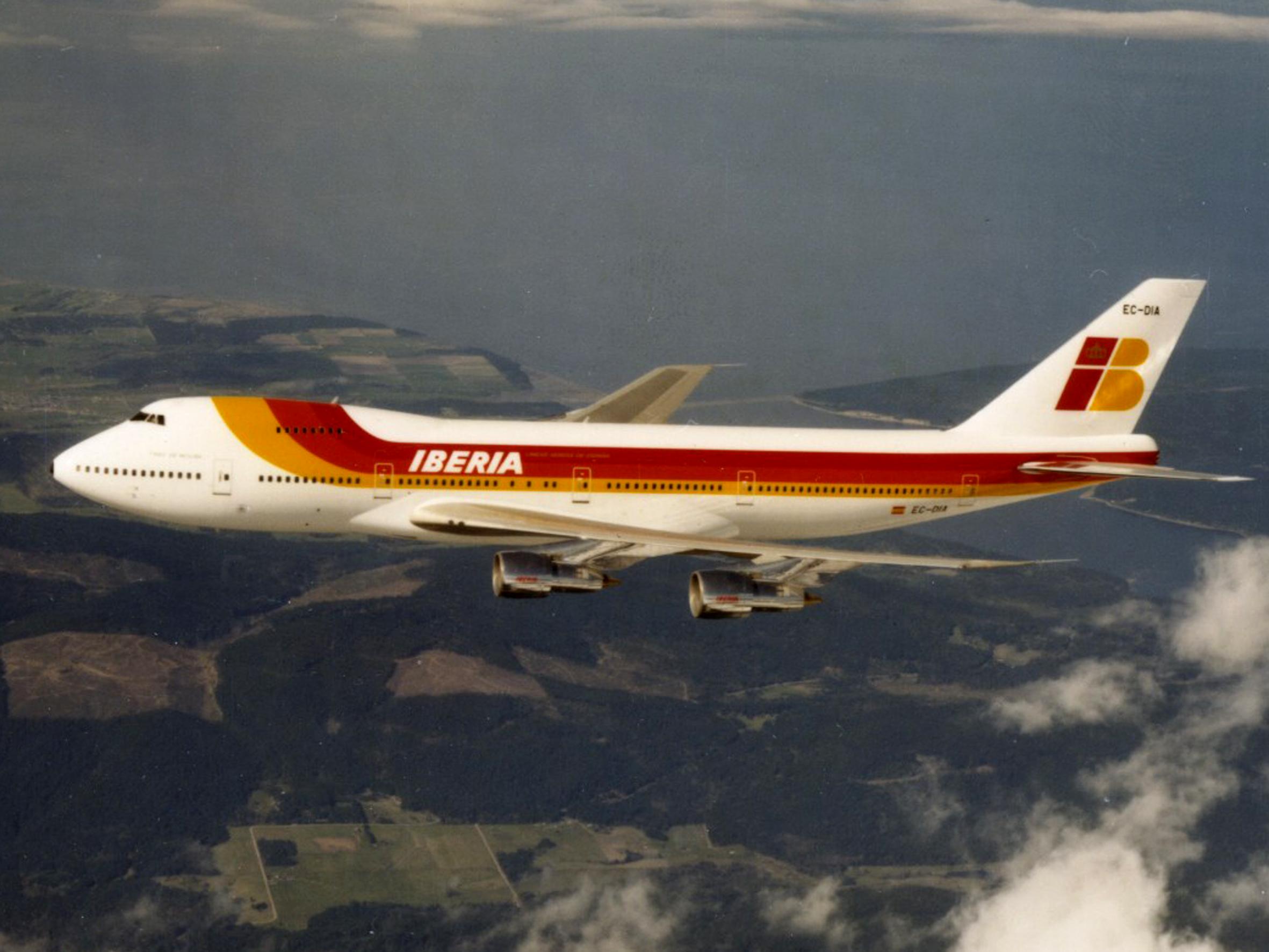
Historical Context & Origins
The Boeing 747, the legendary "Jumbo Jet", had already revolutionized air transport since its debut in 1969. However, the 747-100B version was not an initial model, but rather a direct evolutionary response to the growing needs of the market.
Its first flight in 1979 marked the introduction of a significant upgrade to the -100 series, aimed at overcoming the payload and range limitations of its predecessor. This development reflected the need for greater structural strength and operational versatility for long-haul routes.
Born out of a demand for improved efficiency and capability, the 100B solidified the leadership of the 747. It represented a crucial step forward in keeping the aircraft at the forefront of commercial aviation, offering a higher-performance platform to global carriers.
Architecture & Technological Design
The Boeing 747-100B maintained the iconic partial double-deck silhouette and the characteristic "hump", an unmistakable symbol of power and capacity. However, its engineering concealed significant internal structural reinforcements, specifically designed to handle a considerably greater maximum take-off weight (MTOW).
These structural improvements allowed the aircraft to carry more fuel or a higher payload, extending its range and making it ideal for transoceanic connections. The design was optimized to ensure a longer life cycle of the airframe, a crucial economic factor.
The adoption of more powerful and efficient engines, such as the Pratt & Whitney JT9D and the Rolls-Royce RB211, was another key innovation. These engines not only increased available thrust but also improved fuel consumption, which was crucial for long-term operational efficiency.
Onboard Specifications
- ◆Increased MTOW: Increased payload and fuel capacity, critical for non-stop intercontinental routes and greater operational flexibility.
- ◆Updated Avionics Systems: Improvements in onboard avionics for more precise navigation and optimized flight management, reducing pilot workload.
- ◆High Thrust Engines: New generation turbofan engines that offered greater power and better efficiency, reducing operating costs and environmental impact.
Operational Career & Operators
The 747-100B was quickly adopted by prestigious international airlines, eager to exploit its superior capabilities for their global routes. Carriers such as Iran Air and Saudi Arabian Airlines were among the main and longest-running operators of this specific variant.
This model proved to be a true workhorse, offering exceptional reliability and performance over long distances. Its robustness and ability to transport a large number of passengers and goods made it irreplaceable for connections between continents, defining new service standards.
Its operational career, although fewer than other 747 variants, was characterized by tireless service and remarkable efficiency. The 100B helped solidify the Jumbo Jet's reputation as the undisputed king of the skies, facilitating the expansion of long-haul flights.
Legacy & Cultural Impact
The 747-100B, although not the most produced or most famous variant, represented a crucial link in the continuous evolution of the "Jumbo Jet". It demonstrated the extraordinary original design flexibility of the 747, capable of adapting and improving for nearly a decade after its initial conception.
Its introduction cemented the 747's image as the definitive symbol of luxurious yet accessible transcontinental air travel, profoundly shaping the modern aviation industry. He helped make intercontinental flight a common experience, opening the world to millions of people.
Today, remaining examples of the 747-100B are rare, but its legacy endures. It remains a powerful symbol of engineering innovation and a golden age of aviation, a winged giant that demonstrated how an iconic design could evolve and redefine the boundaries of commercial flight.
Telemetria Specs (HUD)
Hangar Trivia & Curiosità
- 💡La designazione 'B' indicava miglioramenti strutturali significativi, permettendo una maggiore flessibilità operativa e prestazioni migliori sulle rotte a lungo raggio.
- 💡Nonostante il primo 747-100 abbia volato nel 1969, il volo inaugurale della variante -100B un decennio dopo sottolinea lo sviluppo continuo di Boeing sul suo aereo di punta.
- 💡Come i suoi predecessori nelle prime serie del 747, il -100B manteneva il distintivo ponte superiore corto, capace di ospitare un numero limitato di passeggeri o un'area lounge.
Archivio Avvistamenti Spotter
Immagini scattate dalla community in tutto il mondo