747-100
Boeing
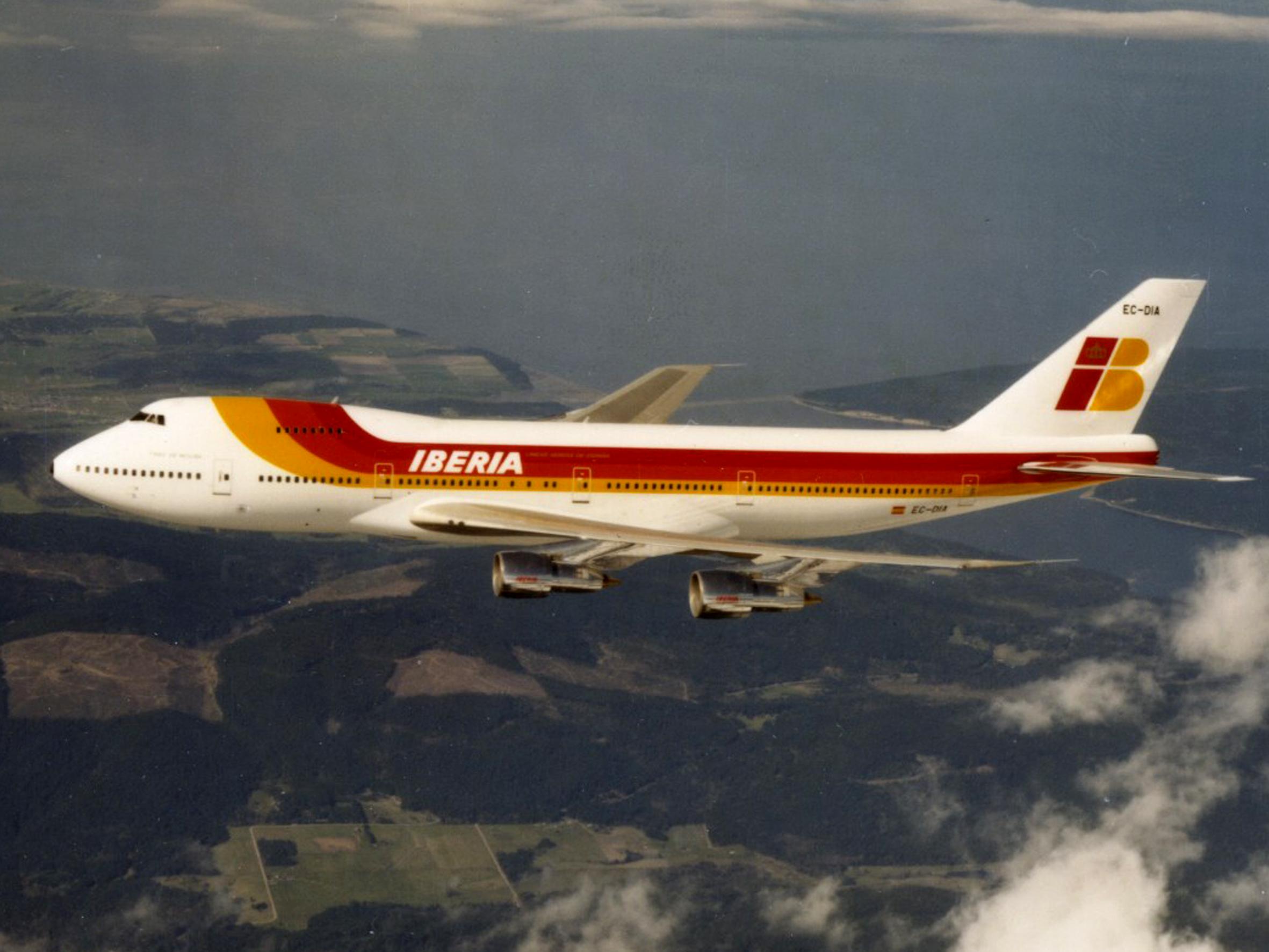
Historical Context & Origins
The Boeing 747-100, known throughout the world as the "Queen of the Skies", was the first wide-body (twin-aisle) airplane in the history of aviation. Conceived in the second half of the 1960s to meet the dizzying growth in passenger air traffic led by Juan Trippe of Pan American World Airways, the 747 revolutionized air travel by making it accessible to millions of people.
The first version, the 747-100, took off on its maiden flight in February 1969 and entered commercial service in January 1970 on Pan Am's New York-London route. Its size was so massive that it required the construction of the world's largest industrial plant in Everett, Washington.
Architecture & Technological Design
The most famous feature of the Boeing 747 is its double deck front section, which creates its unmistakable "hump". This solution was originally adopted to allow easy conversion to an opening nose cargo aircraft, as it was thought at the time that the Concorde would soon make subsonic passenger flights obsolete.
The aircraft was powered by four high-bypass ratio Pratt & Whitney JT9D-3A turbofan engines, a pioneering technology at the time. The wing, with a sweep of 37.5 degrees, allowed an exceptional cruising speed for an aircraft of this size.
Onboard Specifications
- ◆Double corridor internal with passenger cabin over 6 meters wide
- ◆Iconic upper hump (Upper Deck) originally used as a first class lounge with bar
- ◆16-wheel main landing gear divided into four bogies to distribute the enormous weight
Operational Career & Operators
The 747-100 became the symbol of global prestige for every major airline. Historic carriers such as Pan American World Airways, TWA (Trans World Airlines), British Airways, Air France, Lufthansa and Alitalia purchased the model for their higher-density intercontinental routes.
The plane allowed the cost of the ticket per passenger to be drastically lowered, democratizing international air travel. Passenger versions could accommodate over 360 passengers in a comfortable multi-class configuration.
Legacy & Cultural Impact
The Boeing 747 dominated the skies for over half a century, becoming one of the cultural icons of the twentieth century. Its elegant and majestic profile is universally recognisable.
In addition to their passenger role, cargo versions have transported cargo of all types, from NASA's Space Shuttle to humanitarian cargo. Although the introduction of modern, more efficient twin-jet engines has led to the gradual retirement of passengers, the Queen of the Skies maintains a unique and eternal place in aeronautical history.
Telemetria Specs (HUD)
Hangar Trivia & Curiosità
- 💡Per addestrare i piloti a guidare il 747 a terra dall'altissima cabina di pilotaggio prima che l'aereo fosse pronto, Boeing costruì un simulatore stradale chiamato 'Waddell's Wagon' montato su un camion.
- 💡Il ponte superiore del 747-100 includeva originariamente una scala a chiocciola che portava a un lounge lounge di prima classe ispirato al tema dei viaggi marittimi.
- 💡Il volume interno del 747-100 era così vasto che durante i test di volo alcuni piloti segnalarono che si formavano micro-nuvole di condensa all'interno della cabina vuota.
Archivio Avvistamenti Spotter
Immagini scattate dalla community in tutto il mondo
Vettori Rilevati (Flotta Attiva)

China Airlines
In Flotta: x4 u.

American Airlines
In Flotta: x16 u.

Lufthansa
In Flotta: x17 u.

Air France
In Flotta: x17 u.
Air India
In Flotta: x5 u.
United Airlines
In Flotta: x23 u.

Qantas
In Flotta: x6 u.

KLM Royal Dutch Airlines
In Flotta: x7 u.