737 MAX 9
Boeing
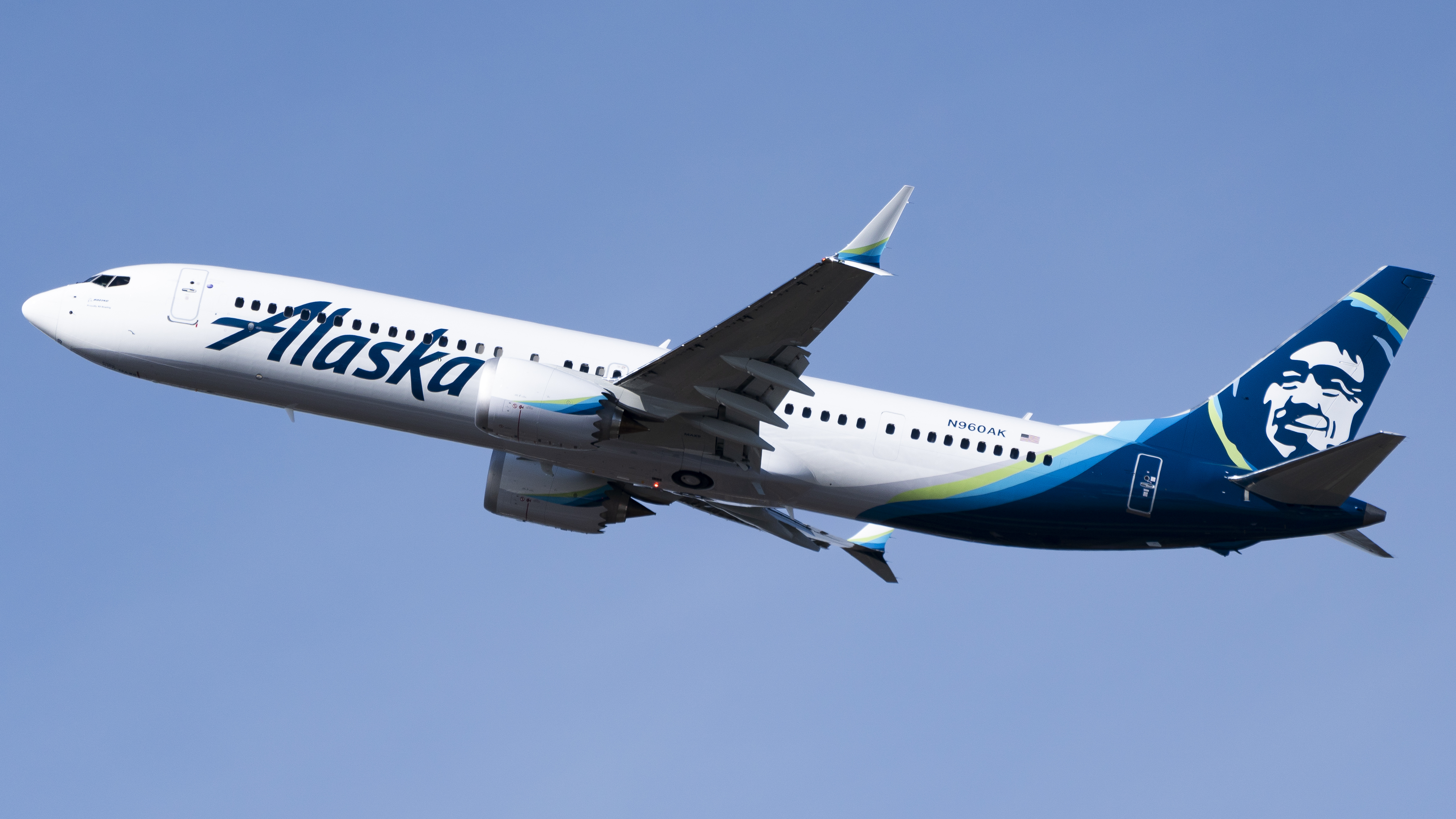
Historical Context & Origins
The Boeing 737 MAX 9 represents one of the most significant evolutions of the famous 737 family, whose more than fifty-year history has redefined commercial air transport. Born out of the need to counter emerging competition and offer greater efficiency, the 737 MAX program was launched by Boeing in 2011 as a direct response to the Airbus A320neo.
The primary objective was to improve flight performance, fuel consumption and passenger capacity, while maintaining operational familiarity and common type rating with previous generations of the 737. The MAX 9, in particular, is positioned as a stretched-body variant, designed to serve medium and long-haul routes with a greater capacity than its smaller brothers MAX 8 and MAX 7. Its first flight took place in 2017, marking a crucial moment for the MAX family.
Architecture & Technological Design
The engineering of the 737 MAX 9 stands out for the adoption of new generation engines and significant aerodynamic improvements. At the heart of its performance are the CFM International LEAP-1B engines, designed to offer a significant increase in fuel efficiency, estimated at approximately 14% compared to Next Generation models, and a reduction in emissions and noise.
These larger engines required repositioning and a specific design for the nacelle housing, contributing to the MAX's distinctive aesthetic. The aerodynamics have been refined with the introduction of Winglets Advanced Technology, which combine aspects of traditional winglets and raked wingtips, improving lift and reducing drag, thus extending operational autonomy and optimizing consumption.
Onboard Specifications
- ◆CFM International LEAP-1B engines: The beating heart of efficiency, for reduced fuel consumption and lower noise emissions.
- ◆Winglets Advanced Technology: Innovative wing elements that maximize aerodynamic efficiency, increasing autonomy and performance.
- ◆Advanced Flight Control System: Enhanced software and hardware architecture to optimize stability and maneuverability, integrating the MCAS (Maneuvering Characteristics Augmentation System).
Operational Career & Operators
The Boeing 737 MAX 9 has quickly found its place in global airline fleets, thanks to its remarkable capacity to carry up to 220 passengers (in high-density configuration) and a range of approximately 6,500 km. Airlines such as United Airlines, Alaska Airlines and Copa Airlines were among the first and most important operators of this model, enhancing its versatility for medium-length domestic and international routes.
Despite the global shutdown affecting the entire MAX family, the MAX 9 has proven its resilience. With the modifications and safety upgrades implemented, the aircraft resumed operational service, strengthening its reputation as a reliable and profitable platform. His rehabilitation marked an important return to confidence in the model and his abilities.
Legacy & Cultural Impact
The Boeing 737 MAX 9 embodies the continuing evolution of one of the most successful jetliners in history. Its introduction represented a significant technological leap, providing airlines with a key asset to modernize their fleets, expand networks and reduce operating costs. This aircraft helps shape the future of mass air travel.
Despite initial challenges, the 737 MAX 9 continues to build on the 737 legacy, demonstrating the aviation industry's ability to adapt and innovate. Its presence in global skies is a testament to its commitment to more efficient and sustainable aviation, playing a key role in connecting people and cultures around the world.
Telemetria Specs (HUD)
Hangar Trivia & Curiosità
- 💡It's the second-largest variant in the 737 MAX series, positioned between the smaller MAX 8 and the larger, forthcoming MAX 10.
- 💡The MAX 9 incorporates distinctive split scimitar winglets, significantly enhancing its aerodynamic performance and contributing to fuel savings.
- 💡Despite its designation, the MAX 9 represents a substantial evolution from earlier 737-900 models, featuring new engines and numerous system and aerodynamic refinements.
Archivio Avvistamenti Spotter
Immagini scattate dalla community in tutto il mondo