737 MAX 8
Boeing
Historical Context & Origins
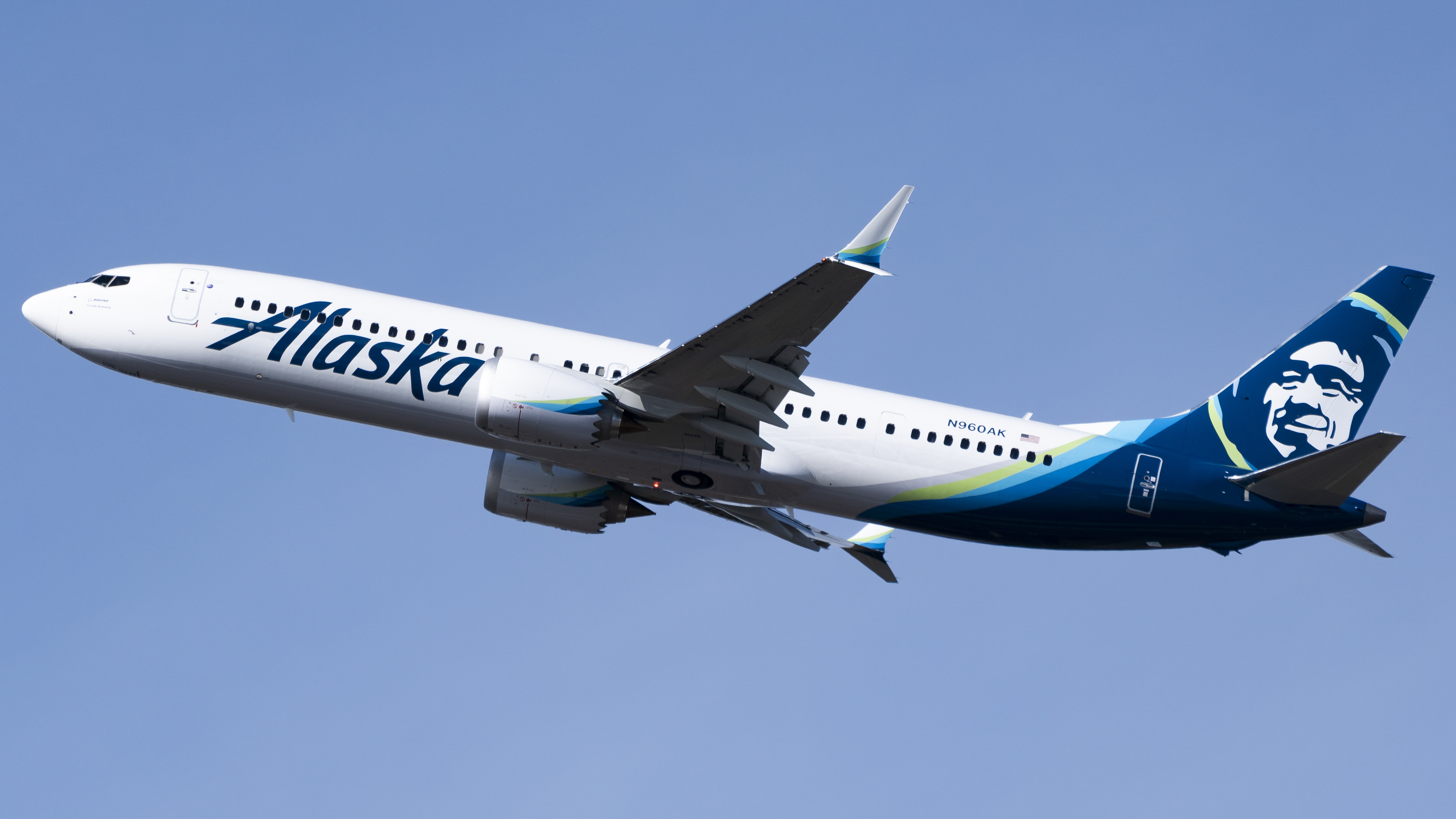
The Boeing 737 MAX 8 emerges as Boeing's strategic response to growing demand for more efficient single-aisle aircraft, particularly driven by the success of the Airbus A320neo. Officially announced in 2011, it represented the latest and most significant evolution of the legendary 737 family, a mainstay of commercial aviation for decades.
Its development aimed to maintain high commonality with previous generations of the 737 Next Generation (NG), easing the transition for pilots and reducing maintenance costs for airlines. However, this required sophisticated engineering to integrate new propulsion and aerodynamic technologies without disrupting the fundamental design.
The first flight of the 737 MAX 8 occurred on January 29, 2016, marking the beginning of the testing and certification phase. This new model promised a substantial improvement in fuel efficiency of approximately 14%, thanks primarily to new engines and aerodynamic advancements.
Architecture & Technological Design
The heart of the innovation of the 737 MAX 8 lies in its CFM International LEAP-1B engines, characterized by a larger diameter and greater efficiency. These thrusters, positioned further forward and slightly higher on the wings than previous designs, required significant structural and aerodynamic modifications to maintain desired flight characteristics.
To compensate for the new position of the engines and their different aerodynamic dynamics, Boeing introduced the Maneuvering Characteristics Augmentation System (MCAS). This software system was designed to provide the aircraft with flight behavior similar to that of previous 737s, stabilizing the aircraft at high angles of attack and preventing stalls in specific conditions.
Aerodynamically, the 737 MAX 8 stands out for its Advanced Technology (AT) Winglets, an innovative design that fuses rake and blended winglet styles. These fins further improve aerodynamic efficiency, reducing drag and contributing to fuel economy. The cabin interior has also been modernized with Boeing Sky Interior, offering greater comfort to passengers.
Onboard Specifications
- ◆CFM LEAP-1B Engines: Delivers fuel efficiency up to 14% higher than the 737 NG.
- ◆Advanced Technology Winglets: Contribute to a significant reduction in aerodynamic drag.
- ◆Maneuvering Characteristics Augmentation System (MCAS): Software system designed to improve high angle of attack maneuvering characteristics.
Operational Career & Operators
The Boeing 737 MAX 8 entered commercial service in May 2017 with Malaysian airline Malindo Air. It quickly gained popularity due to its operational efficiency and low running costs, recording hundreds of orders from global carriers, including American Airlines, Southwest Airlines and Ryanair, who have made it a key part of their fleets.
However, the operational career of the 737 MAX 8 was tragically cut short by two fatal crashes: Lion Air Flight 610 in October 2018 and Ethiopian Airlines Flight 302 in March 2019. These events, caused by MCAS system malfunctions, led to an unprecedented and prolonged global grounding of the entire 737 MAX fleet.
After nearly two years of extensive investigations, significant software updates and rigorous recertification processes by aviation authorities around the world, the 737 MAX 8 began its return to service in December 2020. This marked a crucial chapter for Boeing and the global aviation industry, with a renewed commitment to safety.
Legacy & Cultural Impact
The legacy of the Boeing 737 MAX 8 is complex and deeply significant to the aviation industry. The tragic accidents have catalyzed an unprecedented overhaul of global aviation safety and certification processes, pushing for greater transparency and tighter control over complex aircraft software systems.
Despite initial challenges, the 737 MAX 8 continues to represent a fundamental step in the evolution of single-aisle aircraft, combining the reliability of a proven platform with significant technological innovations. Its history highlights the critical importance of security at every stage of design, development and operation.
Today, with software updates and improved safety protocols, the 737 MAX 8 is once again establishing itself as a mainstay of global airline fleets. Its journey is not only a chronicle of engineering and operational challenges, but also a testament to the resilience of innovation and aviation's unflagging commitment to progress and safety.
Telemetria Specs (HUD)
Hangar Trivia & Curiosità
- 💡La designazione 'MAX' indica una nuova generazione del 737, con miglioramenti significativi nel consumo di carburante e nelle prestazioni ambientali rispetto al 737 Next Generation (NG).
- 💡È alimentato esclusivamente dai motori avanzati CFM LEAP-1B, che sono significativamente più grandi dei precedenti motori del 737, rendendo necessario un posizionamento più alto e leggermente in avanti sull'ala.
- 💡Il 737 MAX si distingue visivamente per i suoi unici 'split scimitar winglets', progettati per ridurre ulteriormente la resistenza aerodinamica e migliorare l'efficienza del carburante rispetto ai winglets tradizionali.
Archivio Avvistamenti Spotter
Immagini scattate dalla community in tutto il mondo
Vettori Rilevati (Flotta Attiva)


Southwest Airlines
In Flotta: x210 u.
American Airlines
In Flotta: x75 u.
United Airlines
In Flotta: x90 u.

Ryanair
In Flotta: x140 u.
Alaska Airlines
In Flotta: x55 u.

WestJet
In Flotta: x25 u.
Air Canada
In Flotta: x40 u.
Copa Airlines
In Flotta: x30 u.

Gol Linhas Aéreas
In Flotta: x45 u.
Aeroméxico
In Flotta: x30 u.
Icelandair
In Flotta: x10 u.
Norwegian Air Shuttle
In Flotta: x15 u.
SpiceJet
In Flotta: x15 u.

Flydubai
In Flotta: x40 u.

Turkish Airlines
In Flotta: x25 u.
LOT Polish Airlines
In Flotta: x10 u.
Ethiopian Airlines
In Flotta: x10 u.
Lion Air
In Flotta: x12 u.

China Southern Airlines
In Flotta: x30 u.
Royal Air Maroc
In Flotta: x6 u.