737 MAX 7
Boeing
Historical Context & Origins
The Boeing 737, since its first appearance in the air in 1967, has redefined the concept of short- and medium-range flight, becoming the most produced aircraft in the history of commercial aviation. Its constant evolution has led to the MAX family, a strategic response to the need for greater efficiency and growing competition, in particular from the Airbus A320neo.
The 737 MAX program was launched in 2011, promising significant improvements in fuel economy, reduced emissions and superior passenger comfort. This marked a crucial chapter for Boeing, which aimed to maintain its dominant position in the narrow-body segment.
The Boeing 737 MAX 7, with its first flight on March 16, 2018, represents the smallest and longest-range variant of the MAX family. It was designed to serve less busy regional and domestic routes, yet offers operational flexibility and load capacity enviable for an aircraft of this class.
Architecture & Technological Design
The MAX 7 inherits the robustness and reliability of the 737, integrating cutting-edge technological innovations that set it apart. The heart of this transformation lies in the CFM International LEAP-1B engines, which deliver fuel efficiency up to 14% higher than 737 Next Generation models, along with a notable reduction in noise footprint.
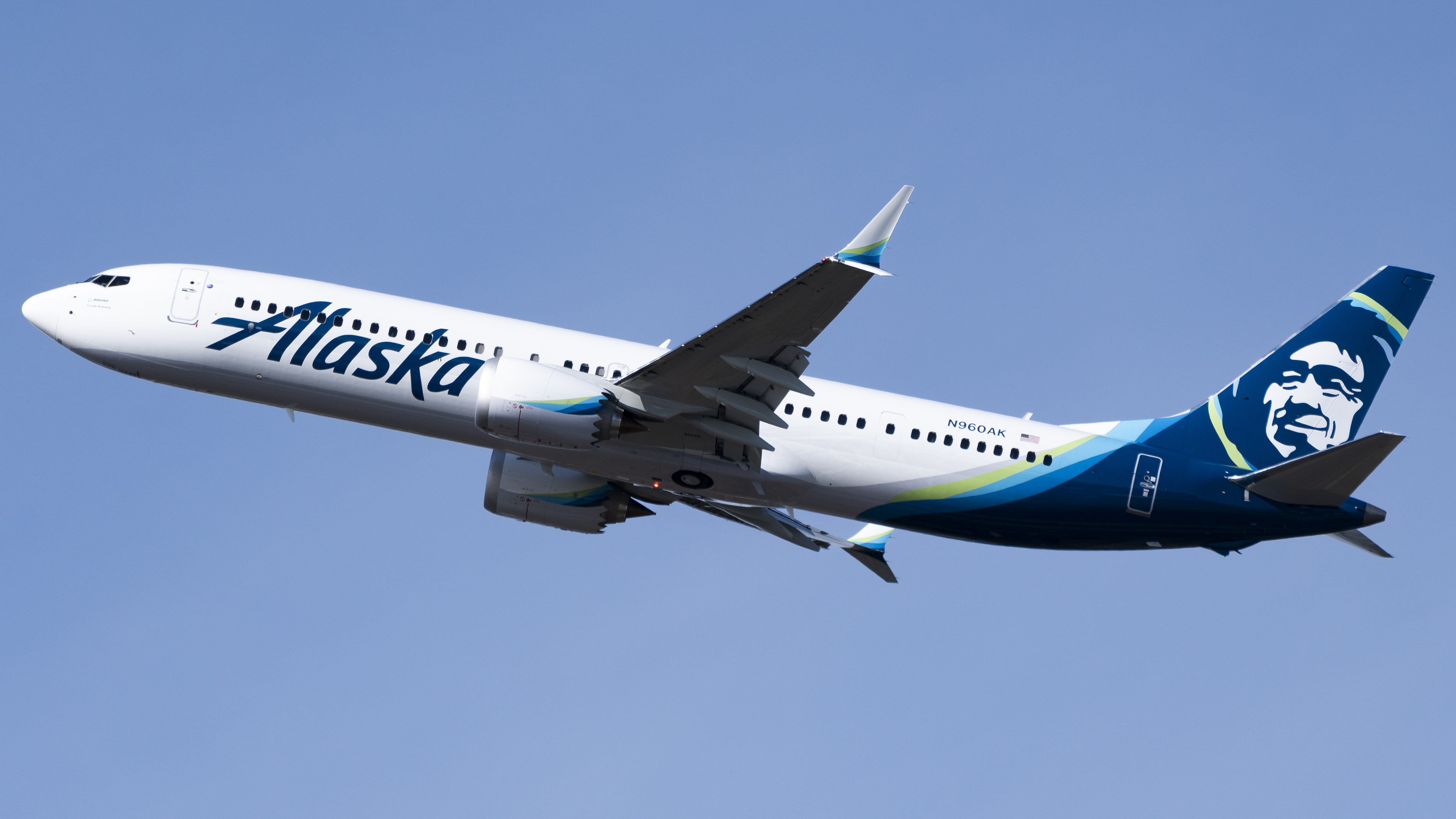
Its aerodynamics have been refined with the introduction of the distinctive "Split Scimitar" winglets, which not only improve lift and reduce drag, but also give the aircraft an unmistakable profile. Structural modifications, including reinforcements and a front landing gear extension, have been implemented to optimize performance.
On board, the "Boeing Sky Interior" offers a modern and spacious environment, with customizable LED lighting and larger luggage compartments, significantly improving the travel experience. The cockpit is equipped with latest generation avionics and large multifunction displays, optimizing situational awareness for pilots.
Onboard Specifications
- ◆CFM International LEAP-1B engines: Maximum propulsive efficiency and significant noise reduction.
- ◆Winglets "Split Scimitar": Aerodynamic optimization for greater fuel efficiency and extended range.
- ◆Latest Generation Avionics and Updated Flight Deck: Integration of high-resolution displays and advanced flight management systems.
Operational Career & Operators
Despite its maiden flight in 2018, the introduction of the MAX 7 into commercial service has been significantly delayed, impacted by the recertification process of the entire MAX family following the unfortunate accidents of 2018-2019. These events shook the industry, but also brought unprecedented attention to security and certification protocols.
Once the necessary approvals have been obtained, the MAX 7 is ready to prove its value in a highly competitive market. Its design makes it ideal for airlines that need an aircraft with the flexibility to operate from airports with shorter runways or in difficult conditions, without sacrificing range.
Carriers that have placed faith in the MAX 7 include Southwest Airlines, the world's largest 737 operator, which sees this variant as an efficient replacement for its previous generation 737-700s. Its versatility makes it a valuable asset for expansion onto new low-density routes.
Legacy & Cultural Impact
The Boeing 737 MAX 7 is more than just a plane; it is a symbol of engineering perseverance and the constant pursuit of perfection in aeronautics. Despite initial challenges, its introduction marks a new chapter for Boeing and the industry. It represents the commitment to offer increasingly efficient and sustainable air transport solutions.
Its legacy will be defined by its ability to integrate lessons learned and demonstrate its reliability and safety in service. The MAX 7 has the potential to solidify the 737's position as the workhorse across a wide range of operations, strengthening its reputation as a mainstay of commercial aviation.
Through its advanced technology and optimized design, the 737 MAX 7 continues Boeing's tradition of innovation, contributing to a greener, more efficient aviation future. It is a witness to the human ability to overcome obstacles, transforming them into opportunities to improve and progress, with safety always as a guiding star.
Telemetria Specs (HUD)
Hangar Trivia & Curiosità
- 💡Nonostante sia il modello più piccolo della famiglia 737 MAX, il MAX 7 vanta il raggio d'azione più lungo tra tutti i membri della serie, grazie al suo peso inferiore e alla capacità passeggeri ridotta.
- 💡Il processo di certificazione del 737 MAX 7 è stato significativamente esteso a causa della messa a terra globale della famiglia 737 MAX e del conseguente, rafforzato scrutinio normativo.
- 💡Il MAX 7 può trasportare tipicamente tra 138 e 172 passeggeri in configurazione a due classi, oppure fino a 172 in un'unica configurazione di classe ad alta densità.
Archivio Avvistamenti Spotter
Immagini scattate dalla community in tutto il mondo

