737-900ER
Boeing
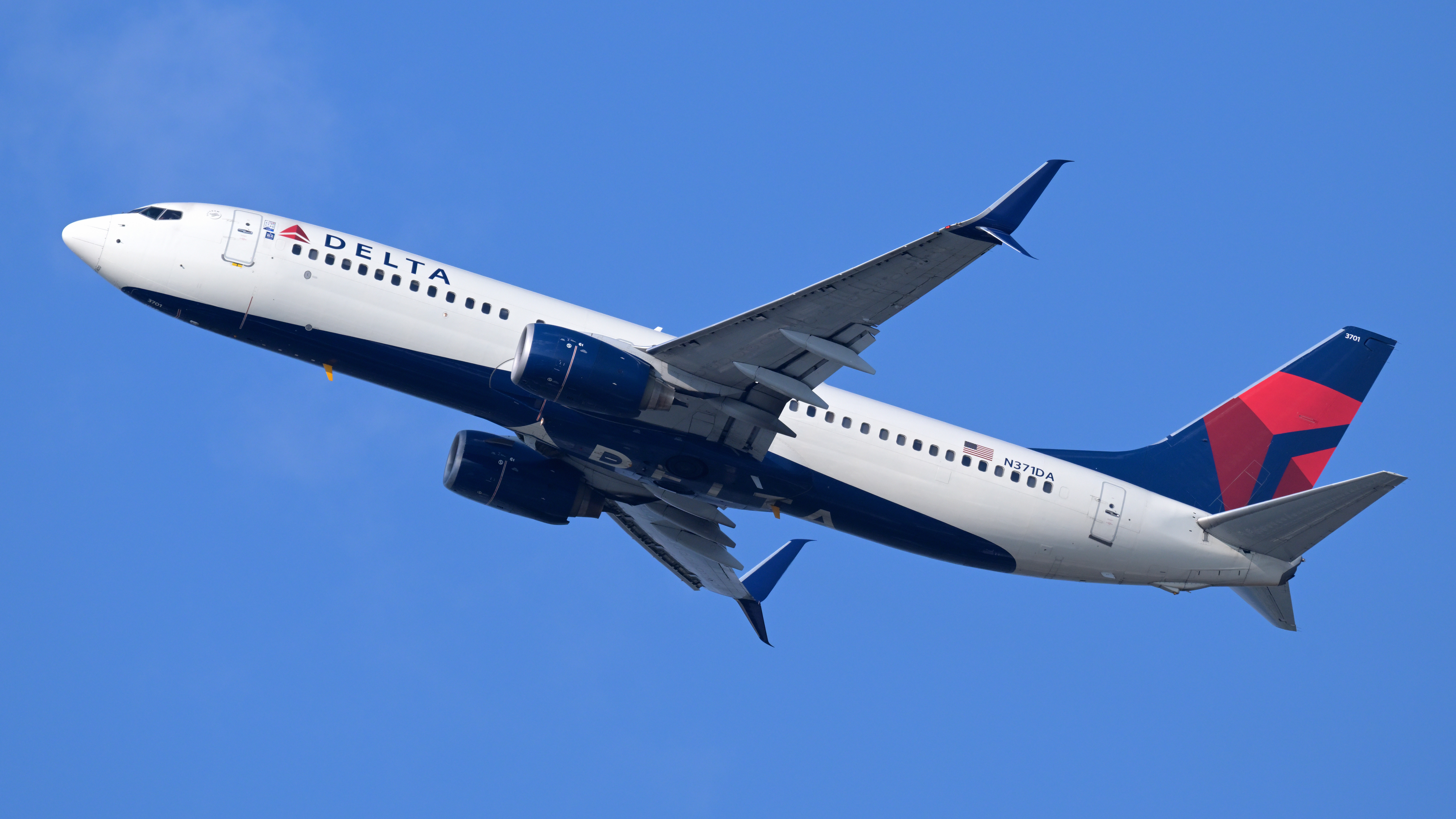
Historical Context & Origins
The Boeing 737-900ER represents the evolutionary pinnacle of the highly successful 737 Next Generation (NG) family, a series designed to modernize and expand the capabilities of the venerable "Baby Boeing". Officially launched to respond to the growing demand for single-aisle aircraft with greater capacity and range, it positioned itself as a direct competitor to the Airbus A321.
Its genesis lies in a period of intense innovation in the commercial aviation market, where operational efficiency and versatility were fundamental requirements. The -900ER, with its first flight in 2006, capitalized on the reliability and familiarity of the 737 family, introducing substantial improvements that set it apart from its predecessors.
This aircraft was not just an extension, but a true reaffirmation of Boeing's dominance in the narrow-body segment, demonstrating the flexibility of the original 737 design. The "ER" designation, which stands for Extended Range, highlights its ability to cover greater distances, opening up new routes and opportunities for airlines.
Architecture & Technological Design
The 737-900ER is a masterpiece of aeronautical engineering, integrating proven design with purposeful innovations. Its most noticeable feature is the stretched fuselage, the longest of any 737 NG variant, which allows it to accommodate significantly more passengers, making it extremely efficient on high-density routes.
To support the increased weight and new autonomy capabilities, the aircraft incorporates a strengthened landing frame and modified wing structure. These improvements not only provide the necessary strength, but also allow for a higher MTOW (Maximum Take-Off Weight), which is crucial for carrying more fuel and payload.
On board, the aircraft is typically equipped with the powerful and reliable CFM International CFM56-7B engines, which provide an excellent combination of thrust, fuel efficiency and low noise emissions. The integration of advanced winglets is standard, improving aerodynamics and further reducing fuel consumption on extended journeys.
Onboard Specifications
- ◆Extended Passenger Capacity: Up to 220 passengers in single class configuration, maximizing revenue potential for airlines.
- ◆Prolonged autonomy: With a range of approximately 5,925 km (3,200 nautical miles), thanks to auxiliary tanks and an increased maximum take-off weight.
- ◆Optimized Aerodynamic Efficiency: Standard blended winglets reduce induced drag, leading to 3-5% fuel savings and improved performance.
Operational Career & Operators
Since its introduction, the Boeing 737-900ER has established itself as a mainstay in the fleets of numerous global airlines. Its combination of high capacity and extended range made it ideal for routes that may previously have required larger aircraft or more stops. It has become a workhorse for medium-long range passenger transport.
Prominent carriers such as United Airlines, Alaska Airlines, Delta Air Lines and Lion Air have widely adopted the -900ER, leveraging its efficiency to expand their networks. Its operational reliability and commonality with other 737 NG models have allowed airlines to optimize maintenance and crew training, reducing operating costs.
The aircraft stood out for its ability to operate on airports with different infrastructure, while maintaining a high seating density. This operational flexibility has contributed to its enduring success and widespread adoption on a global scale.
Legacy & Cultural Impact
The Boeing 737-900ER was not only a commercial success, but it left an indelible mark on modern aviation. It convincingly demonstrated the 737 design's ability to adapt and evolve, pushing the boundaries of what was possible for a single-aisle aircraft in terms of capability and range.
Its existence set the stage for the subsequent 737 MAX family, particularly the MAX 9 variant, which took and refined the concept of a high-capacity, long-range 737. The -900ER cemented the 737's reputation as one of the most versatile and rugged airplanes ever built.
It has also shaped the way people travel, making direct flights over longer distances accessible through more efficient planes. Its operational longevity and ubiquitous presence in skies around the world are testament to its lasting impact on the aviation industry and global connectivity.
Telemetria Specs (HUD)
Hangar Trivia & Curiosità
- 💡È la variante con la fusoliera più lunga all'interno della famiglia Boeing 737 Next Generation (NG).
- 💡Per consentire una maggiore capacità di passeggeri rispetto al 737-900 standard, il -900ER è dotato di una coppia aggiuntiva di porte di uscita posteriori (o predisposizione per esse).
- 💡Sviluppato per competere direttamente con l'Airbus A321, offrendo capacità e autonomia simili nel segmento degli aerei a corridoio singolo.
Archivio Avvistamenti Spotter
Immagini scattate dalla community in tutto il mondo
Vettori Rilevati (Flotta Attiva)

SpiceJet
In Flotta: x32 u.
Batik Air
In Flotta: x25 u.
Korean Air
In Flotta: x16 u.

United Airlines
In Flotta: x136 u.
Delta Air Lines
In Flotta: x130 u.
Lion Air
In Flotta: x62 u.
Batik Air Malaysia
In Flotta: x16 u.