737-900
Boeing
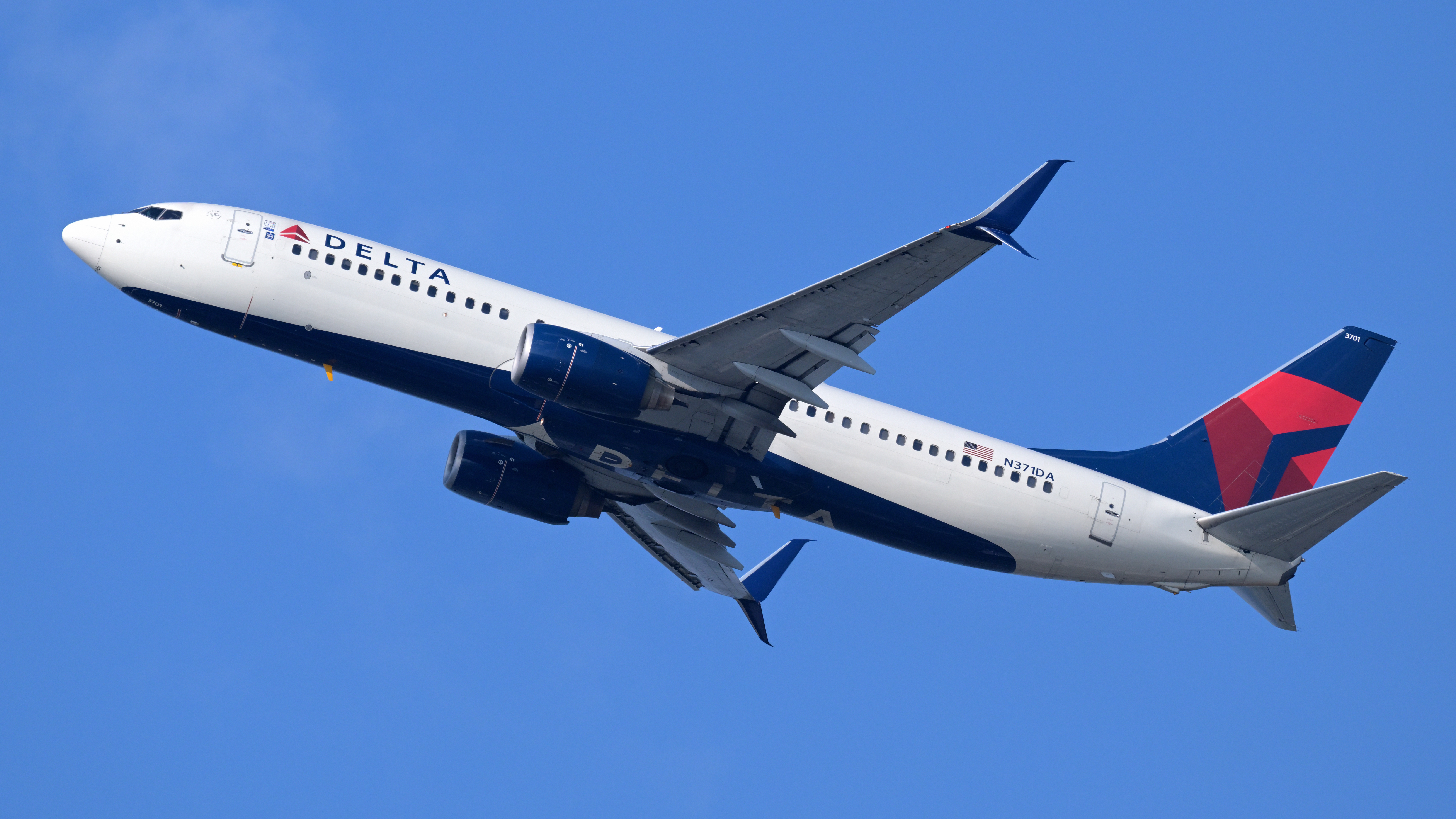
Historical Context & Origins
The Boeing 737-900 emerges as the culmination of the acclaimed Next Generation (NG) series, a family of aircraft designed to renew the 737's supremacy in the single-aisle market. In the historical context of the late 1990s, Boeing faced increasing competition, particularly from the Airbus A321, which offered greater capacity. The 737-900 was the direct response to this need for expansion, aiming to catch up in the high-capacity narrow-body jet segment.
The first flight of the Boeing 737-900 took place in 2000, marking an important evolution for the famous "Baby Boeing". This new model aimed to offer carriers a high-capacity solution while maintaining the exceptional parts and training commonality that has made the 737 series so attractive to airlines around the world. Its introduction was a strategic step for Boeing to strengthen its offering.
Architecture & Technological Design
The architecture of the 737-900 is primarily notable for its stretched fuselage, reaching an overall length of 42.11 meters, making it the longest 737 ever built at the time of its launch. This extension allowed it to accommodate significantly more passengers than its NG predecessors, such as the 737-800, while keeping the airport footprint manageable.
The technological design of the 737-900 incorporated all the aerodynamic and avionics innovations of the NG series, including the sophisticated glass cockpit and CFM56-7B engines. These features ensured not only superior operational efficiency but also greater autonomy and improved performance, essential for high-density medium-range routes. Its structure was reinforced to support the additional weight and stresses of the extended fuselage.
Onboard Specifications
- ◆High Passenger Capacity: Up to 189 passengers in a high-density single-class configuration, or approximately 177 in a typical two-class configuration, offering significant operational flexibility to carriers.
- ◆CFM56-7B Engines: High efficiency turbofan reactors that provided thrust between 20,600 and 27,300 pounds, ensuring robust performance, reduced emissions and optimized fuel consumption for medium-range flights.
- ◆Winglets (standard or optional): Vertical aerodynamic devices placed at the wingtips that drastically reduced induced drag and improved fuel efficiency, extending the operational range up to 5,080 km.
Operational Career & Operators
The operational career of the Boeing 737-900 was characterized by its adoption by numerous airlines that needed a reliable aircraft for high-demand routes with higher capacity. Carriers such as Alaska Airlines and Korean Air were among the first to integrate this model into their fleets, taking advantage of its increased capacity to maximize profitability on the busiest routes and reduce costs per seat offered.
The 737-900 has proven to be a tireless workhorse, operating with high reliability on a wide range of routes, from regional domestic flights to short-to-medium range international flights. Its economic efficiency and the proven reliability of the 737 design made it a valuable asset for airlines seeking growth and streamlining operations, often replacing older, less efficient aircraft.
Legacy & Cultural Impact
The legacy of the Boeing 737-900 is deeply intertwined with the development of the 737-900ER (Extended Range) variant, introduced later. The success of the -900 demonstrated the viability and demand for a higher-capacity 737, prompting Boeing to further optimize the design for greater range, operational flexibility and emergency egress capability to the highest standards, solidifying the 737's position in the market.
This aircraft is not only a testament to aeronautical engineering, but also a symbol of Boeing's ability to adapt and innovate in the face of growing competition. The 737-900 significantly helped shape the landscape of modern commercial aviation, enabling millions of passengers to travel efficiently and reliably, further cementing the legend of the 737 family as one of the most successful airplanes in history.
Telemetria Specs (HUD)
Hangar Trivia & Curiosità
- 💡The original 737-900 variant had a limited maximum passenger capacity compared to its length, due to its exit door configuration, which was later addressed in the 737-900ER model.
- 💡It was the longest member of the 737 Next Generation (NG) family, providing airlines with significant seating potential for popular routes.
- 💡The first Boeing 737-900 was delivered to Alaska Airlines in May 2001, entering commercial service shortly thereafter.
Archivio Avvistamenti Spotter
Immagini scattate dalla community in tutto il mondo