737-700
Boeing
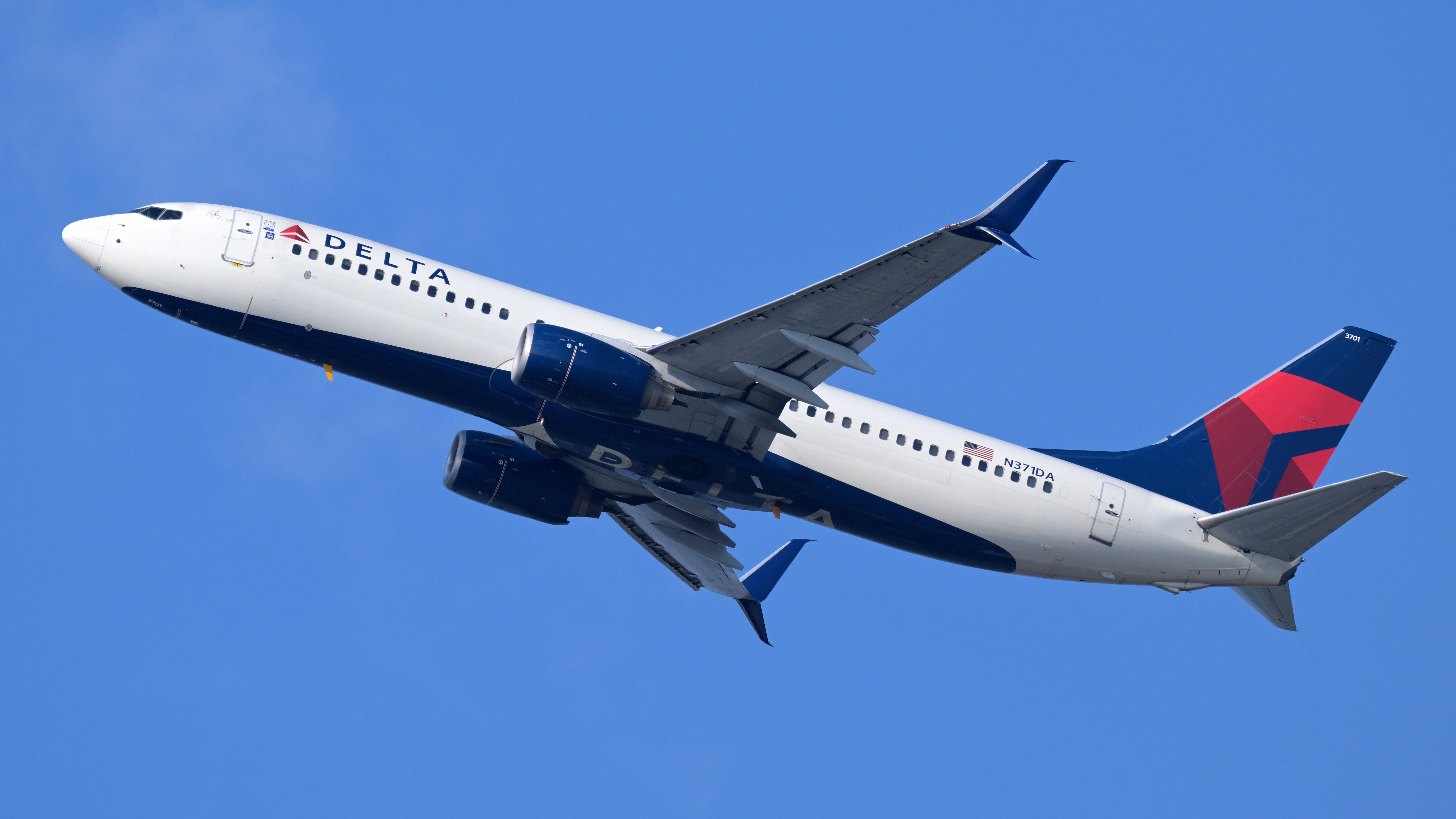
Historical Context & Origins
The Boeing 737-700 represents a crucial chapter in the storied history of the 737, the world's most produced passenger aircraft. Born as a founding member of the Next Generation (NG) series, it was designed to directly replace the established 737-300, introducing significant technical and operational innovations.
The primary objective of the NG series was to modernize the entire 737 platform, making it more efficient, performing and comfortable to counter growing competition. The first flight of the 737-700 occurred on February 9, 1997, marking the beginning of a new and prosperous era for the famous "Baby Boeing".
Architecture & Technological Design
The 737-700 inherited the robust structure of its predecessors, but introduced a completely redesigned wing with increased wingspan and chord. This significant aerodynamic improvement increased fuel capacity by 30% and efficiency, allowing for longer ranges and reduced fuel consumption, critical for line operations.
The beating heart of the 737-700 is the CFM International CFM56-7B engines, which offer superior thrust and unprecedented efficiency compared to previous models. The integration of advanced digital avionics and a "glass" cockpit with LCD display has revolutionized the flight experience for pilots, improving situational awareness and reducing workload.
Onboard Specifications
- ◆Winglets: The optional introduction of these devices at the wingtip has reduced induced drag, improving fuel efficiency by up to 5% and increasing cruise performance.
- ◆Glass Cockpit (EFIS): An electronic flight display system has replaced much of the analog instrumentation, providing pilots with clear, integrated information for improved flight management.
- ◆CFM56-7B Engines: Designed for efficiency and power, these turbofans not only dramatically improved performance, but also significantly reduced emissions and noise.
Operational Career & Operators
The Boeing 737-700 quickly established itself as the flagship aircraft for many airlines around the world, particularly for medium-range routes that required flexibility and low operating costs. Its optimal balance between passenger capacity (126-149), range (up to 6,370 km) and costs has made it extremely popular and versatile.
- ◆Southwest Airlines, the world's largest 737 operator, has adopted the 737-700 as the backbone of its fleet, leveraging its reliability and parts commonality. Other majors such as Alaska Airlines and United Airlines have successfully integrated the model to expand their regional and national networks, solidifying its reputation.
Legacy & Cultural Impact
The 737-700 played a critical role in solidifying the 737's position as the most iconic and popular airliner in the history of commercial aviation. Its introduction demonstrated Boeing's ability to innovate and adapt, keeping the platform relevant and competitive for decades to come.
With its extraordinary efficiency, reliability and versatility, the 737-700 has helped make air travel more accessible and convenient for millions of people in every corner of the globe. It has profoundly shaped the landscape of modern aviation, remaining an enduring symbol of successful aeronautical engineering and a mainstay for many global fleets.
Telemetria Specs (HUD)
Hangar Trivia & Curiosità
- 💡È stato il modello di lancio della serie Boeing 737 Next Generation (NG), migliorando il precedente 737-300.
- 💡La variante business jet, nota come Boeing Business Jet (BBJ1), si basa sulla fusoliera del 737-700, ma incorpora le ali più robuste e il carrello di atterraggio del 737-800 per maggiore autonomia e peso.
- 💡Southwest Airlines è stata uno dei principali clienti di lancio e storicamente ha operato una delle più grandi flotte mondiali di 737-700.
Archivio Avvistamenti Spotter
Immagini scattate dalla community in tutto il mondo
Vettori Rilevati (Flotta Attiva)

Air Algérie
In Flotta: x5 u.

Gol Linhas Aéreas
In Flotta: x43 u.

WestJet
In Flotta: x62 u.
Ethiopian Airlines
In Flotta: x10 u.

Alaska Airlines
In Flotta: x16 u.
United Airlines
In Flotta: x40 u.
Royal Air Maroc
In Flotta: x6 u.
Delta Air Lines
In Flotta: x10 u.

Air China
In Flotta: x8 u.
Southwest Airlines
In Flotta: x516 u.Vettori Rilevati (Flotta Storica / Dismessa)


Turkish Airlines
Stato: Dismesso
Copa Airlines
Stato: Dismesso
Norwegian Air Shuttle
Stato: Dismesso
Kenya Airways
Stato: Dismesso
Hainan Airlines
Stato: Dismesso
Luxair
Stato: Dismesso

Air Berlin
Stato: Dismesso
Garuda Indonesia
Stato: Dismesso

Transavia
Stato: Dismesso
China Eastern Airlines
Stato: Dismesso
Malaysia Airlines
Stato: Dismesso
Aeroméxico
Stato: Dismesso
AirTran Airways
Stato: Dismesso