737-600
Boeing
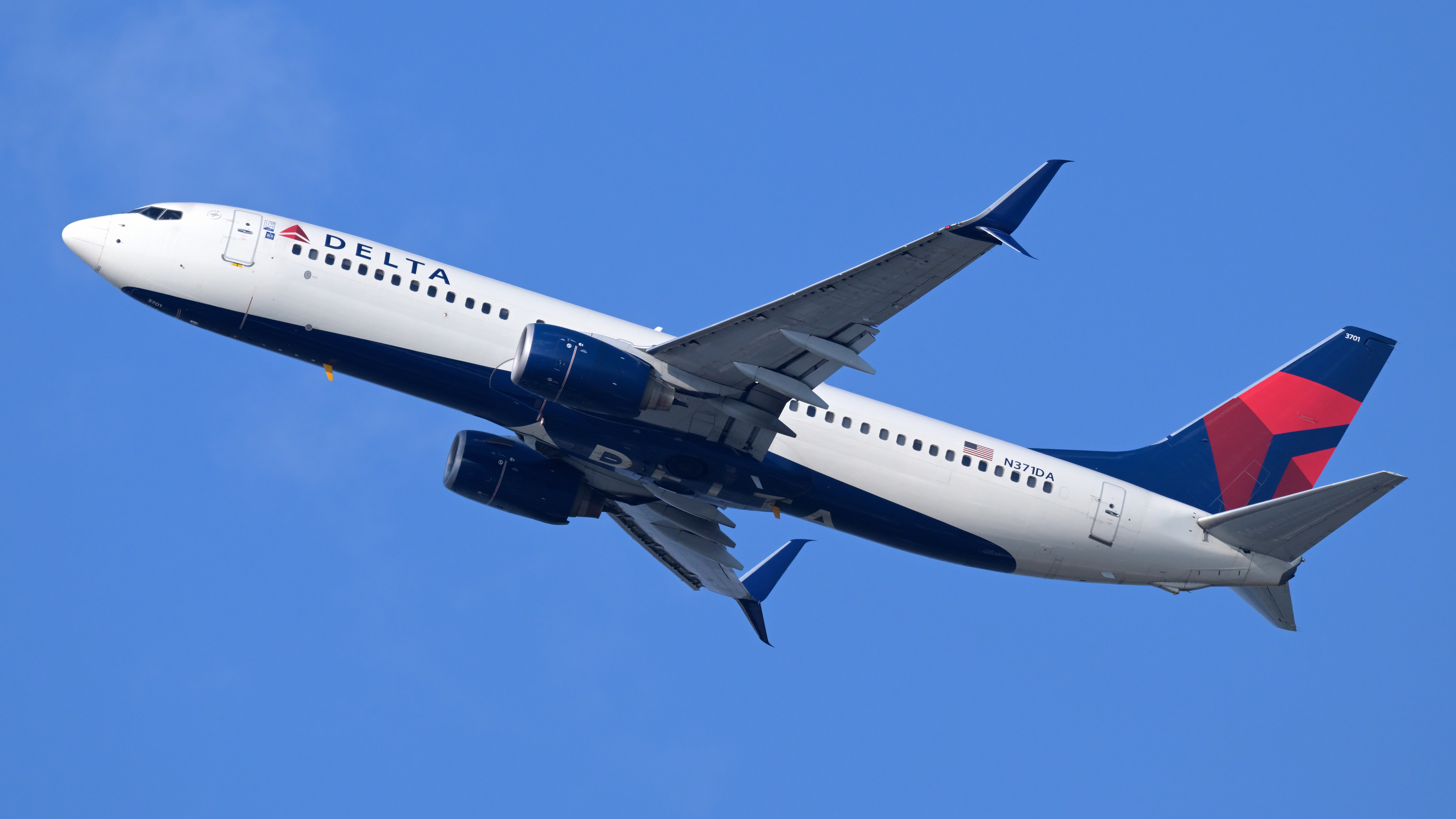
Historical Context & Origins
The Boeing 737-600, with its first flight in 1998, emerged as the smallest member of the revolutionary 737 Next Generation (NG) family. Designed to replace the popular 737-500, it aimed to retain the flexibility and efficiency of its predecessor line, but with a significant technological leap. Its creation responded to the need of airline operators who needed a modern, high-performance aircraft for short and medium-range routes with lower demand for seats.
The genesis of the -600 is intrinsically linked to Boeing's ambition to modernize the entire 737 line, maintaining its iconic success. The goal was to offer an aircraft that combined proven reliability with the latest innovations in fuel efficiency, passenger comfort and operational performance. Although the -600 was the "baby" of the NG family, its development benefited from the same investments in research and development that gave birth to its bigger brothers -700, -800 and -900.
Architecture & Technological Design
The 737-600 represented the pinnacle of Boeing aeronautical engineering in the late 1990s for its category. Despite being the shortest of the NG family, with a length of 31.2 meters, it integrated all the structural and aerodynamic innovations of the larger models. Its architecture focused on optimizing weight and strength, ensuring economical and ecological operation.
The technological heart of the -600 lay in its new CFM56-7B turbofan engines, which provided considerably more thrust and dramatically reduced fuel consumption and noise emissions compared to their predecessors. Another crucial innovation was the redesign of the wing, characterized by a greater wingspan and advanced airfoils, which improved aerodynamic efficiency and allowed greater autonomy. This wing design, although less conspicuous without the winglets (often optional or not installed on all 600s), was essential.
Onboard Specifications
- ◆Advanced Cockpit with LCD Display: Replaced traditional analog instruments with a digital glass cockpit interface, improving situational awareness and reducing pilot workload.
- ◆CFM56-7B High Efficiency Engines: Provided thrust between 20,000 and 27,300 pounds, resulting in superior performance, reduced fuel consumption and lower emissions compared to previous generation engines.
- ◆New larger span wing design: Optimized to improve aerodynamic performance at cruise and low speed, contributing to superior overall efficiency.
Operational Career & Operators
The operational career of the Boeing 737-600 has proven to be unique and, in a certain sense, niche. The launch customer was SAS Scandinavian Airlines in 1998, making it the mainstay of its fleet for regional and domestic flights. Other significant operators included WestJet and Tunisair, but the total number of examples produced stopped at just 69 units, making it the least popular member of the 737 NG family.
The 737-600 has served its operators faithfully, proving itself to be an extremely reliable and capable aircraft. However, its capacity of approximately 110-132 passengers placed it in a market segment where competition with -700 models and even Airbus A318 was fierce, and the general market trend was moving towards higher capacity aircraft to optimize costs per seat.
Legacy & Cultural Impact
Despite its limited production, the Boeing 737-600 left a significant legacy as an integral part of the Next Generation revolution. It demonstrated the flexibility of the 737 platform, capable of effectively scaling to meet different market needs, from the smallest to the largest. The innovations introduced in the -600, such as avionics systems and engines, laid the foundation for the overwhelming success of the other NG models.
The 737-600 is today a testament to the adaptability and engineering that made the 737 the most produced commercial aircraft in history. It represents a crucial chapter in the evolution of the short-range "king of the skies", an aircraft that has continued to reinvent itself, influencing generations of engineers and pilots and shaping the modern aviation industry.
Telemetria Specs (HUD)
Hangar Trivia & Curiosità
- 💡It is the shortest variant of the 737 Next Generation (NG) series, sharing common systems and wings with its larger siblings.
- 💡Its primary competitor in the market was the Airbus A318, another short-fuselage, single-aisle aircraft.
- 💡The 737-600 had the lowest sales figures of all 737 NG models, with only 69 units delivered before production concluded.
Archivio Avvistamenti Spotter
Immagini scattate dalla community in tutto il mondo