737-500
Boeing
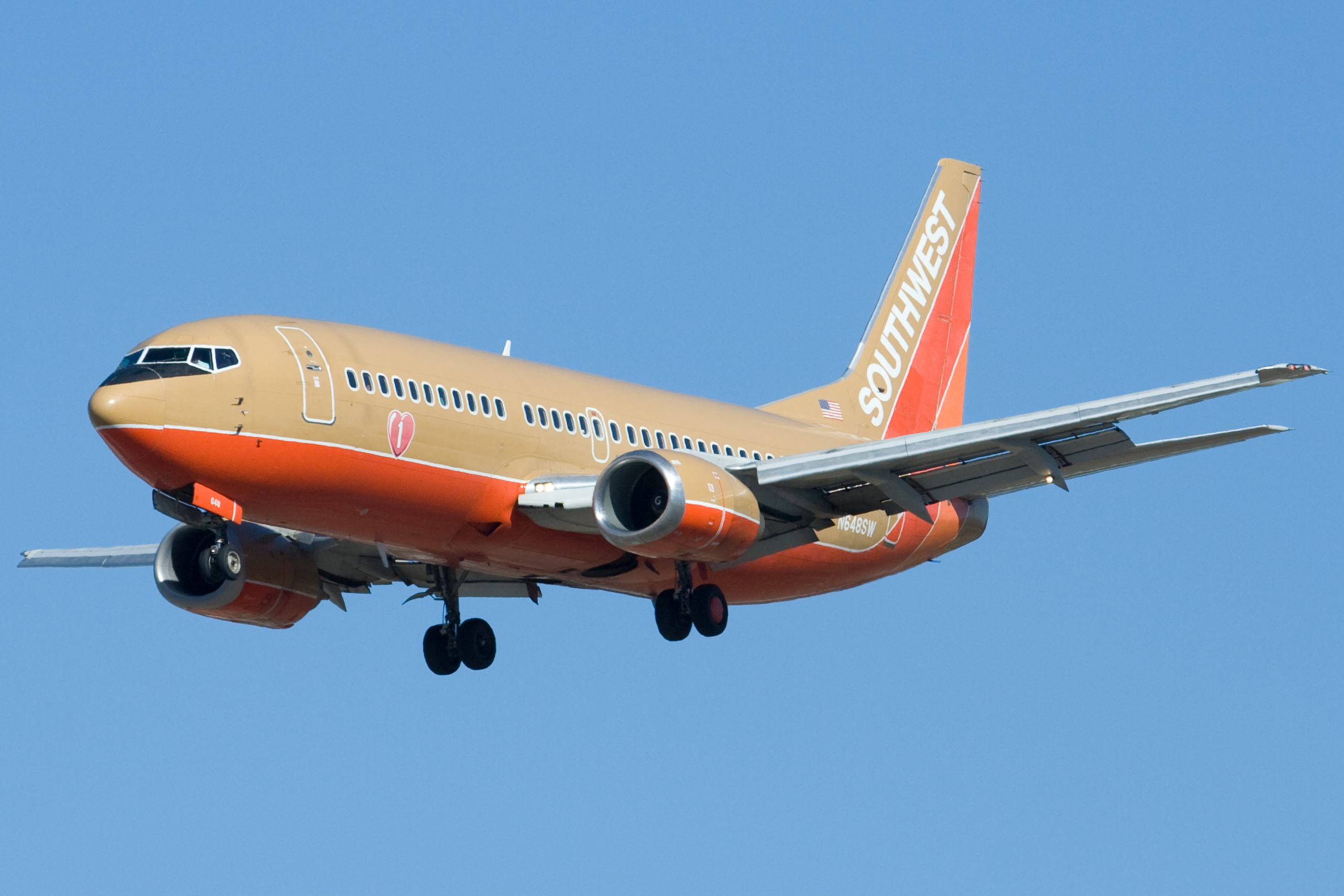
Historical Context & Origins
The Boeing 737-500, with its first flight in 1989, is the most compact member of the famous "Classic" series. Alongside the -300 and -400 models, it responded to the need for a modern and efficient regional aircraft. It aimed to replace the 737-100 and -200, offering greater economy and upgraded performance.
Designed for greater fuel efficiency and lower operating costs, the 737-500 inherited the proven reliability of the 737 family. It allowed airlines to serve low-density routes with advanced technology. It was a crucial bridge between the first and future evolutions of air transport.
Its concept aimed to provide a jet capable of operating at airports with limited infrastructure, ensuring modern comfort and performance. This winning strategy further solidified the 737's dominant position in global commercial aviation.
Architecture & Technological Design
The 737-500 was notable for its shortened fuselage, the shortest among the "Classic" models, optimizing capacity for regional routes. The integration of modern CFM International CFM56-3 engines significantly improved fuel efficiency and reduced noise.
On board, the cockpit adopted the innovative Digital Avionics EFIS (Electronic Flight Instrument System). This replaced traditional analog instruments with CRT displays. It offered pilots clear, integrated flight information, improving situational awareness.
The design maintained the structural strength typical of the 737, with aerodynamic refinements to optimize overall performance. The modular architecture allowed for rapid transition, facilitating maintenance and familiarity for technical personnel.
Onboard Specifications
- ◆CFM56-3C-1 engines: Highly efficient turbofans, which have revolutionized operating economy and noise footprint.
- ◆EFIS Digital Avionics: Electronic flight instrument system with color display, improving safety and pilot interface.
- ◆Integrated APU system: Auxiliary power unit essential for energy autonomy and on-site engine starting.
Operational Career & Operators
The Boeing 737-500 found rapid adoption with numerous global airlines. Versatility and low operating costs made it ideal for medium-short range routes. Among the major operators, Lufthansa used it extensively for European regional connections.
Its reliability and ease of maintenance contributed to its operational longevity, with many examples flying for over three decades. It proved to be a true workhorse, withstanding intense take-off/landing cycles.
Even today, although most have been retired or replaced by more modern aircraft, some 737-500s continue to serve in less densely trafficked regions or in cargo contexts. This is a testament to its inherent robustness and the success of the design over time.
Legacy & Cultural Impact
The Boeing 737-500 left an indelible mark on commercial aviation, serving as a crucial link between the 737 generations. It demonstrated the adaptability of the original design, evolving with affordability and reliability.
It cemented the 737's reputation as the premier short- and medium-range passenger aircraft. Its success paved the way for future developments, such as the "Next Generation" series.
Ultimately, the 737-500 wasn't just a successful airplane. It has been a strategic pillar for many companies, allowing them to optimize their route networks and offer competitive services. Its history reflects the incessant evolution of the aeronautical sector.
Telemetria Specs (HUD)
Hangar Trivia & Curiosità
- 💡Il primo volo del Boeing 737-500 avvenne il 30 giugno 1989, con la prima consegna a Southwest Airlines lo stesso anno.
- 💡È stato il modello più corto della serie 737 Classic, progettato specificamente per eguagliare la capacità del 737-200 ma con tecnologia moderna e maggiore efficienza.
- 💡Condivideva la cabina di pilotaggio e i sistemi principali con i modelli 737-300 e 737-400, semplificando la formazione dei piloti per le compagnie aeree che operavano più varianti della serie Classic.
Archivio Avvistamenti Spotter
Immagini scattate dalla community in tutto il mondo
Vettori Rilevati (Flotta Storica / Dismessa)


Turkish Airlines
Stato: Dismesso

Lufthansa
Stato: Dismesso

China Southern Airlines
Stato: Dismesso
Ethiopian Airlines
Stato: Dismesso
Malév Hungarian Airlines
Stato: Dismesso
S7 Airlines
Stato: Dismesso
Estonian Air
Stato: Dismesso
Aeroflot
Stato: Dismesso
Korean Air
Stato: Dismesso
Ukraine International Airlines
Stato: Dismesso
UTair Express
Stato: Dismesso