737-400
Boeing
Historical Context & Origins
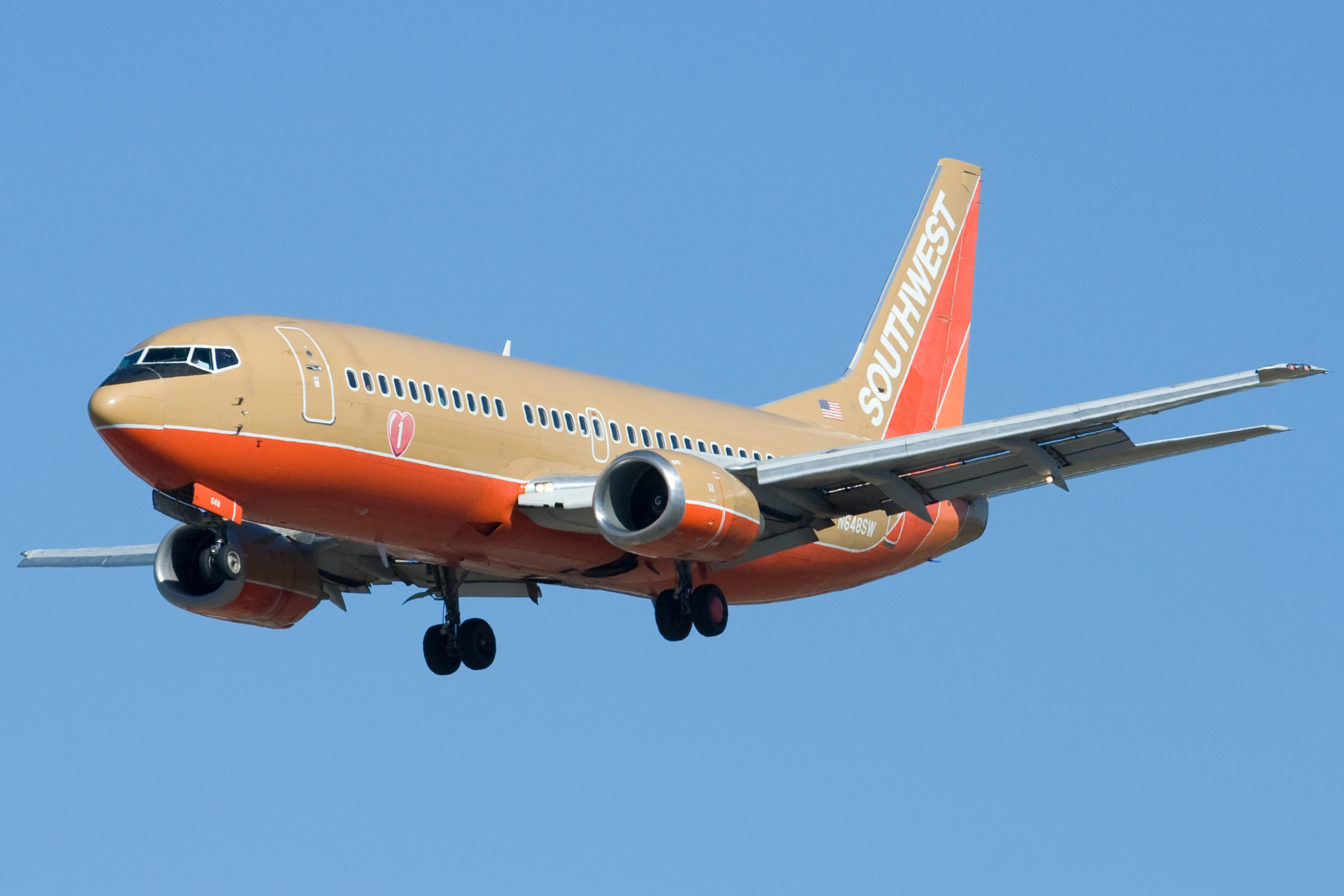
The Boeing 737-400 emerges as a fundamental pillar within the glorious 737 family, the most produced airliner series in the history of commercial aviation. Representing a crucial evolution of the "Classic" series, which also includes the 737-300 and 737-500, this model was conceived to meet a growing demand for passenger capacity and operational efficiency on medium-haul routes.
Its genesis is rooted in the need for an aircraft capable of combining the proven merits of reliability and economy of the 737 platform with the need for greater flexibility. The first flight of the 737-400 occurred on February 19, 1988, marking the beginning of a new era for many airlines seeking an optimal balance between cost and performance.
This model was specifically designed to bridge the gap between the smaller 737-300 and larger twin-aisle aircraft, offering a versatile and cost-effective solution for carrying significant numbers of passengers. Its development responded directly to market needs, cementing the 737's position as the ultimate "workhorse" of global commercial aviation.
Architecture & Technological Design
The Boeing 737-400 featured an architecture that maintained the robustness of its predecessors, while introducing significant innovations to improve efficiency and comfort. The distinctive feature was the lengthening of the fuselage of 3.45 meters compared to the 737-300, bringing the total length to 36.45 meters and allowing a significant increase in passenger load capacity.
Propulsion was entrusted to two CFM International CFM56-3B-2 turbofan engines, positioned under the wings, known for their extraordinary reliability, reduced noise and excellent efficiency in fuel consumption. These engines, along with minor aerodynamic refinements, helped optimize flight performance and reduce operating costs, making the -400 particularly attractive to airlines.
The cockpit featured an advanced glass cockpit for its time, with electronic displays that provided pilots with clear and concise information, reducing workload and improving safety. This combination of a stretched fuselage, performance engines and modern avionics made the 737-400 an extremely capable and popular aircraft.
Onboard Specifications
- ◆Increased seating capacity: Up to 188 passengers in single-class configuration, a significant increase over previous models.
- ◆Advanced CFM56-3B-2 engines: Provide 22,000 lb (approximately 98 kN) thrust per engine, ensuring superior takeoff and cruise performance.
- ◆Operating autonomy of approximately 4,000 km: Ideal for medium-range routes, effectively connecting cities and hubs of different sizes.
Operational Career & Operators
The Boeing 737-400 entered commercial service in 1988 with Piedmont Airlines, quickly gaining popularity among carriers around the world. Its versatility, proven reliability and relatively low operating costs made it the preferred choice for numerous airlines operating on domestic and regional routes.
Prestigious national and low-cost airlines, such as Alitalia, British Airways, KLM, Lufthansa, Southwest Airlines and many others, have widely used the 737-400. It has played a crucial role in their expansion, offering an ideal balance between transport capacity and operational flexibility, essential for managing complex route networks.
Although many examples were retired from passenger service with the advent of the "Next Generation" and MAX models, a significant number of 737-400s were converted for cargo operations, demonstrating their inherent robustness and adaptability. Its operational longevity is a testament to the soundness of its design and construction.
Legacy & Cultural Impact
The Boeing 737-400 was not just an airplane, but a symbol of an era of modernization and democratization of air transportation. It consolidated the concept of the highly efficient single-aisle airliner, serving as the backbone for countless airlines and connecting regions and cultures around the world.
Its legacy is crucial, having demonstrated the potential of incremental improvements within a successful platform, paving the way for the development of the subsequent and even more advanced "Next Generation" series (737-600/700/800/900). The 737-400 epitomized the balance between tradition and innovation.
It has shaped the commercial aviation landscape for decades, remaining etched in the public imagination as a reliable and efficient means of transportation. Its service history is a testament to Boeing's engineering ingenuity and its ability to create aircraft that meet and exceed global market expectations.
Telemetria Specs (HUD)
Hangar Trivia & Curiosità
- 💡It was the longest variant of the 737 Classic series, introducing a fuselage stretch of over 3 meters compared to the -300.
- 💡Due to its lengthened fuselage and reduced ground clearance, the 737-400 was often equipped with a tail skid to prevent tailstrikes during takeoff.
- 💡The 737-400 was Boeing's direct response to growing competition in the 150-180 seat market, primarily from the McDonnell Douglas MD-80 and the nascent Airbus A320.
Archivio Avvistamenti Spotter
Immagini scattate dalla community in tutto il mondo
Vettori Rilevati (Flotta Storica / Dismessa)


Turkish Airlines
Stato: Dismesso

Lufthansa
Stato: Dismesso

JAL Express
Stato: Dismesso

Alaska Airlines
Stato: Dismesso

British Airways
Stato: Dismesso
Garuda Indonesia
Stato: Dismesso
Korean Air
Stato: Dismesso

Alitalia
Stato: Dismesso
Malaysia Airlines
Stato: Dismesso

KLM Royal Dutch Airlines
Stato: Dismesso
Nok Air
Stato: Dismesso
Delta Air Lines
Stato: Dismesso
AirTran Airways
Stato: Dismesso