504K
Avro
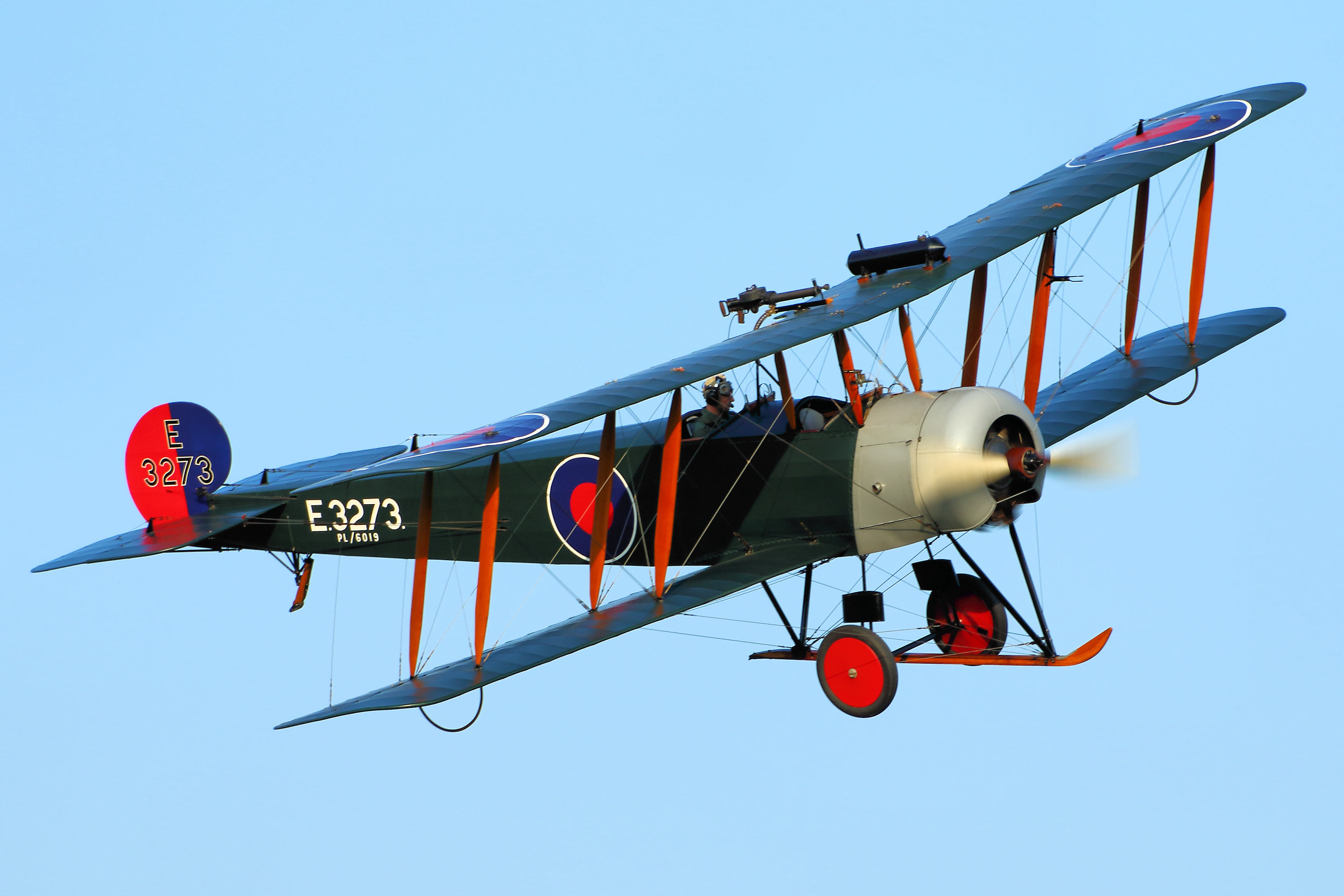
Historical Context & Origins
The Avro 504, in its iconic 504K version, represents a fundamental chapter in the history of world aviation, although its genesis dates back to 1913. Designed by A.V. Roe as a reconnaissance and training aircraft, the original model immediately proved to be a versatile and robust platform, actively employed during the First World War for a variety of roles, including light bombing and even night interception.
The 504K version, however, became the symbol of post-war aviation training, consolidating its role from the year 1919. This variant was specifically designed to overcome the maintenance limitations of previous models, characterized by a dependence on specific rotary engines. The "K" stands for a key modification: a universal engine mounting system, which greatly increased its flexibility and operational practicality in an era of rapid technological evolution.
Architecture & Technological Design
The design of the Avro 504K was an engineering masterpiece of its era, combining simplicity of construction and extraordinary reliability. It was a biplane with an entirely wooden structure, covered in canvas and braced with steel cables. This architecture not only guaranteed considerable resistance to the stresses of flight and the rough landings typical of training, but also facilitated field repairs.
The rectangular-section fuselage, double-span wings with interwing struts and dual controls configured in tandem (instructor-student) were distinctive features that made it perfect for its main mission. Its inherent stability and relatively docile handling made it an ideal aircraft for less experienced pilots, helping to train generations of aviators around the world to great effect.
Onboard Specifications
- ◆"Klem" engine attachment system: Allowed the quick and interchangeable installation of numerous radial rotary engines, such as the 130 hp Clerget 9B or the 110 hp Le Rhône 9J.
- ◆Dual controls configured in tandem: A key feature for training, allowing direct control and immediate intervention from the instructor.
- ◆Sturdy wood and canvas structure: Maximized durability and ease of repair, crucial elements for an intensive training aircraft.
Operational Career & Operators
The Avro 504K enjoyed an unprecedented operational career, becoming the standard trainer of the Royal Air Force (RAF) and dozens of other air forces around the world, from Australia to Japan, from Argentina to Belgium. Its production exceeded 10,000 specimens (including all variants), an astonishing number for the time, testifying to its undoubted effectiveness and popularity.
In addition to its military role, the 504K also found widespread use in the civilian sector. It was used for aerobatic flights, scenic tours, private training and even for utilitarian tasks such as agricultural spraying and coastal patrol, demonstrating a versatility that went far beyond its original conception. Its operational longevity extended into the 1930s and beyond in some contexts.
Legacy & Cultural Impact
The Avro 504K was not just an airplane, but a real flying school, shaping the skills and mentality of countless aviators who would later fly increasingly complex aircraft. Many of aviation's pioneers and future aces honed their skills on the controls of a 504K, making it an icon of the golden era of aviation.
His cultural impact is immense: he is the very image of the biplane trainer, a symbol of courage, innovation and the nascent passion for flying. Even today, numerous Avro 504Ks are preserved in museums around the world, and some examples are still in flying condition, offering a tangible glimpse into an era when learning to fly meant mastering the simplicity and robustness of this extraordinary aircraft.
Telemetria Specs (HUD)
Hangar Trivia & Curiosità
- 💡Over 10,000 Avro 504s of all variants were produced, making it one of the most mass-produced aircraft of its era.
- 💡The 'K' variant was notable for its universal engine mounting, allowing various radial and rotary engines to be fitted, greatly simplifying maintenance and logistics.
- 💡Post-WWI, thousands of surplus 504Ks were sold to private owners and flying schools, becoming a staple for aerial acrobatics, barnstorming, and passenger flights worldwide.
Archivio Avvistamenti Spotter
Immagini scattate dalla community in tutto il mondo

