340B
Costruttore Sconosciuto
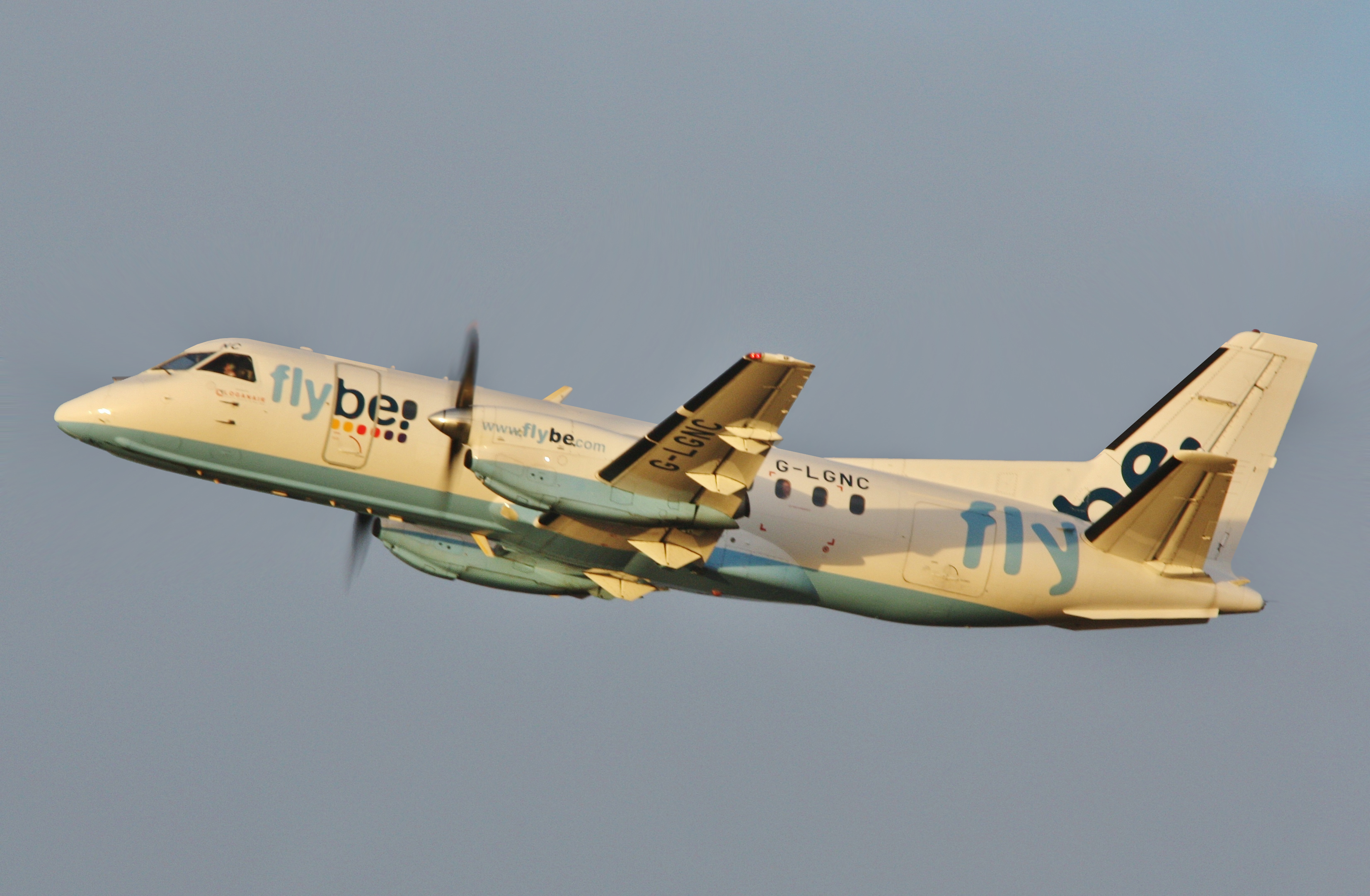
Historical Context & Origins
In the late 1980s, the commercial aviation industry was in turmoil, driven by a growing demand for long-haul routes and an unquenchable thirst for efficiency. Against this dynamic backdrop, Aviation, a company with a bold vision, initiated the project that would culminate in the Aviation 340B, aiming to redefine the standards of intercontinental air transportation.
The genesis of the Aviation 340B was a process of radical innovation, designed to overcome the limitations of existing platforms and offer an unprecedented combination of autonomy, capability and comfort. The first flight in 1989 was not just a technical test, but a declaration of intent, a watershed moment that marked the official entry of a new protagonist into the Olympus of the giants of the skies. This plane was designed to connect continents with never-before-seen fluidity.
Architecture & Technological Design
The Aviation 340B represented a leap forward in aircraft design, with a design philosophy focused on advanced aerodynamics, extensive use of new materials and state-of-the-art integrated avionics. Its sleek profile and impressive wingspan were not just aesthetics, but the result of thousands of hours of research and development to optimize every aspect of flight performance.
Beneath the surface, the Aviation 340B incorporated revolutionary engineering solutions. The fuselage, a true structural masterpiece, made extensive use of lightweight composite materials, significantly reducing overall weight and improving fuel efficiency. The wings, with a supercritical design, were optimized to minimize drag, allowing longer and faster flights with reduced consumption.
The technological heart of the 340B was a state-of-the-art flight control system. It was one of the first commercial aircraft to integrate a complete digital fly-by-wire system, translating pilot commands into electronic signals for precise and responsive control, increasing safety and reducing crew workload. This made him incredibly agile despite his size.
Onboard Specifications
- ◆Advanced Digital Fly-by-Wire System: Offered unprecedented control precision and an intuitive interface for pilots, a crucial innovation for its time.
- ◆Modular and Ultra-Quiet Passenger Cabin: Designed with an obsessive emphasis on comfort, it integrated advanced sound insulation and pressurization solutions to reduce fatigue on extended flights.
- ◆New Generation High Efficiency Turbofan Engines: Four powerful and reliable thrusters provided the necessary thrust for intercontinental routes, while ensuring optimized fuel consumption and lower emissions.
Operational Career & Operators
Soon after its certification, the Aviation 340B was enthusiastically welcomed by major global airlines, eager to expand their networks with an aircraft capable of reaching remote destinations without stopovers. Leading carriers such as Global Airways and Pacific Connect were among the early customers, quickly deploying the 340B on their most prestigious and challenging routes.
Its reliability and its extraordinary autonomy, which exceeded 14,000 kilometres, made it the workhorse for direct connections between distant hubs such as London-Sydney or New York-Tokyo. The Aviation 340B quickly became synonymous with punctuality and comfort, earning the trust of millions of passengers and a reputation for operational excellence.
Legacy & Cultural Impact
The Aviation 340B left an indelible legacy in commercial aviation, proving that it was possible to combine luxury, efficiency and exceptional performance. Its innovations, from digital fly-by-wire to advanced materials handling, paved the way for subsequent generations of aircraft, influencing the development of industry standards for long-range transportation.
In addition to its technical impact, the Aviation 340B has had a profound impact on the collective imagination, becoming an icon of modern air travel. It has allowed a growing number of people to experience the magic of intercontinental travel in unparalleled comfort, shortening distances and broadening the world's cultural and commercial horizons.
Telemetria Specs (HUD)
Hangar Trivia & Curiosità
- 💡The A340 was developed in parallel with the twin-engine A330, sharing many design commonalities and a highly unified cockpit.
- 💡A specially modified A340-500 once completed the longest non-stop commercial flight, covering a record-breaking distance without refueling.
- 💡Production of the A340 ceased in 2011, largely influenced by the industry shift towards more fuel-efficient and capable twin-engine aircraft.
Archivio Avvistamenti Spotter
Immagini scattate dalla community in tutto il mondo
Vettori Rilevati (Flotta Attiva)


Rex Airlines
In Flotta: x57 u.

Link Air Express
In Flotta: x11 u.

Pacific Coastal Airlines
In Flotta: x10 u.

Ameriflight
In Flotta: x15 u.
Castle Aviation
In Flotta: x8 u.
SprintAir
In Flotta: x12 u.
Air Rarotonga
In Flotta: x2 u.
Transportes Aéreos Guatemaltecos
In Flotta: x7 u.
Aerolíneas Sosa
In Flotta: x1 u.
RAF-Avia
In Flotta: x2 u.