340A
Costruttore Sconosciuto
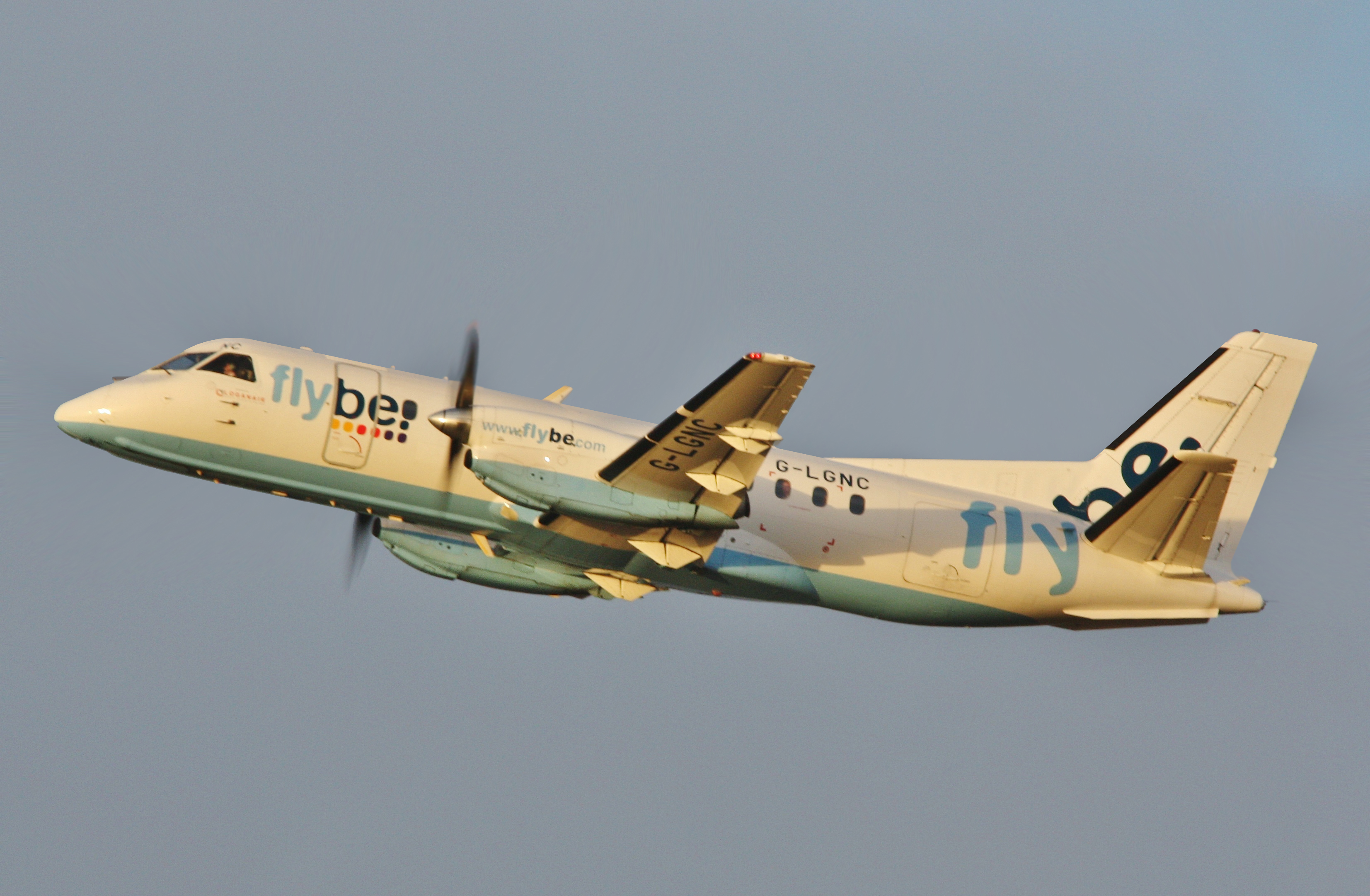
Historical Context & Origins
The beginning of the 80s was a period of profound transformation for the aeronautical industry, marked by the urgent need for more efficient aircraft and less dependent on variable fuel costs, after the oil crises of the previous decade. In this climate of innovation and economic challenge, the vision for a new standard of medium-long range flight emerged.
The Aviation 340A project was born as a strategic response to this growing demand, with the aim of redefining the concept of scheduled flight through a combination of advanced aerodynamics, pioneering technology and superior comfort for passengers. Its first flight in 1983 was not just a technical achievement, but the statement of an audacious ambition.
The company "Aviation Corp." aimed to conquer a significant share of the transatlantic and intercontinental market, offering an aircraft capable of operating with greater flexibility and reduced operating costs compared to the giants of the time. The 340A was designed to be the ideal bridge between global destinations.
Architecture & Technological Design
The Aviation 340A stood out for its futuristic architecture. The design incorporated a next-generation supercritical wing, designed to maximize aerodynamic efficiency at high cruising speeds, while significantly reducing drag and fuel consumption. The adoption of advanced light alloys and, in some sections, composites, contributed to containing the overall weight of the structure.
The 340A's widened cross-section fuselage not only improved structural strength, but also offered a spacious and configurable cabin, anticipating future trends in passenger comfort. The flight control system was a testbed for digital electronics, a bold step for its time.
The strategic positioning of the turbofan engines under the wings, integrated with a carefully considered design, ensured not only optimal thrust but also a notable reduction in cabin noise and vibration, improving the travel experience for both crew and passengers.
Onboard Specifications
- ◆First Generation Fly-by-Wire Control System: A bold innovation for 1983, anticipating the electronic age of flight control.
- ◆New generation fuel-efficient turbofan engines: Optimized for efficiency and noise reduction, a crucial focus post-energy crises.
- ◆Configurable passenger cabin with unprecedented width: Offered greater flexibility for carriers and superior comfort for long-haul travelers.
Operational Career & Operators
Following its successful air baptism in 1983, the Aviation 340A quickly entered service with several national airlines and major international carriers. Its ability to operate on long-haul routes with lower operating costs made it a valuable asset for the expansion of global networks.
Carriers such as "Global Airways" and "Trans-Oceanic Airlines" were among the first to adopt the 340A, particularly appreciating its reliability and ability to carry large numbers of passengers and cargo in flexible configurations. The aircraft proved particularly effective on less busy transcontinental and intercontinental routes, where its efficiency shone.
The Aviation 340A soon became a symbol of efficiency and modernity in the skies, allowing carriers to open new routes and compete more effectively in an increasingly globalized market. Its operational robustness was a key factor in its sustained success for decades.
Legacy & Cultural Impact
The Aviation 340A has left an indelible legacy in the world of aviation, serving as a bridge between the mechanical technology of the past and the emerging digital age. Its innovations in fly-by-wire and composite materials paved the way for more ambitious future designs, directly influencing the design of subsequent generations of aircraft.
Culturally, the 340A symbolized a new era of accessibility and comfort in mass air transportation. It demonstrated that it was possible to travel long distances with greater energy efficiency and a significantly improved on-board experience, changing the expectations of millions of passengers.
Even today, the Aviation 340A is remembered by aviation enthusiasts as a silent pioneer, an aircraft that, while not the largest or fastest, significantly contributed to shaping the future of commercial aviation with its vision of efficiency and technological innovation rooted in the 1980s.
Telemetria Specs (HUD)
Hangar Trivia & Curiosità
- 💡The A340 was developed in parallel with the twin-engine A330, sharing the same wing and fuselage design, but with two additional engines.
- 💡The A340-500 variant, introduced later, held the record for the longest-range commercial flight upon its introduction, capable of connecting nearly any two cities non-stop.
- 💡Airbus initially envisioned the A340 as a competitor to the Boeing 747 on ultra-long-haul routes, emphasizing efficiency and redundancy with its four engines for extended overwater flights.
Archivio Avvistamenti Spotter
Immagini scattate dalla community in tutto il mondo
Vettori Rilevati (Flotta Attiva)


Rex Airlines
In Flotta: x61 u.

Link Air Express
In Flotta: x11 u.

Pacific Coastal Airlines
In Flotta: x10 u.
Transportes Aéreos Guatemaltecos
In Flotta: x7 u.
Líneas Aéreas del Estado (LADE)
In Flotta: x4 u.
Air Chathams
In Flotta: x3 u.
Air Rarotonga
In Flotta: x2 u.
SprintAir
In Flotta: x12 u.

Castle Aviation
In Flotta: x6 u.
Nyxair
In Flotta: x6 u.
RAF-Avia
In Flotta: x2 u.
Pascan Aviation
In Flotta: x6 u.
Ameriflight
In Flotta: x11 u.
IBC Airways
In Flotta: x15 u.
Southern Airways Express
In Flotta: x2 u.Vettori Rilevati (Flotta Storica / Dismessa)

Mesaba Airlines
Stato: Dismesso

Crossair
Stato: Dismesso

Loganair
Stato: Dismesso

KLM Cityhopper
Stato: Dismesso
Formosa Airlines
Stato: Dismesso

Hokkaido Air System
Stato: Dismesso
Japan Air Commuter
Stato: Dismesso
Business Aviation
Stato: Dismesso
Comair
Stato: Dismesso
Shuttle America
Stato: Dismesso
Air Midwest
Stato: Dismesso
Chicago Express Airlines
Stato: Dismesso
RegionsAir
Stato: Dismesso
National Airlines
Stato: Dismesso