29
Potez
Historical Context & Origins
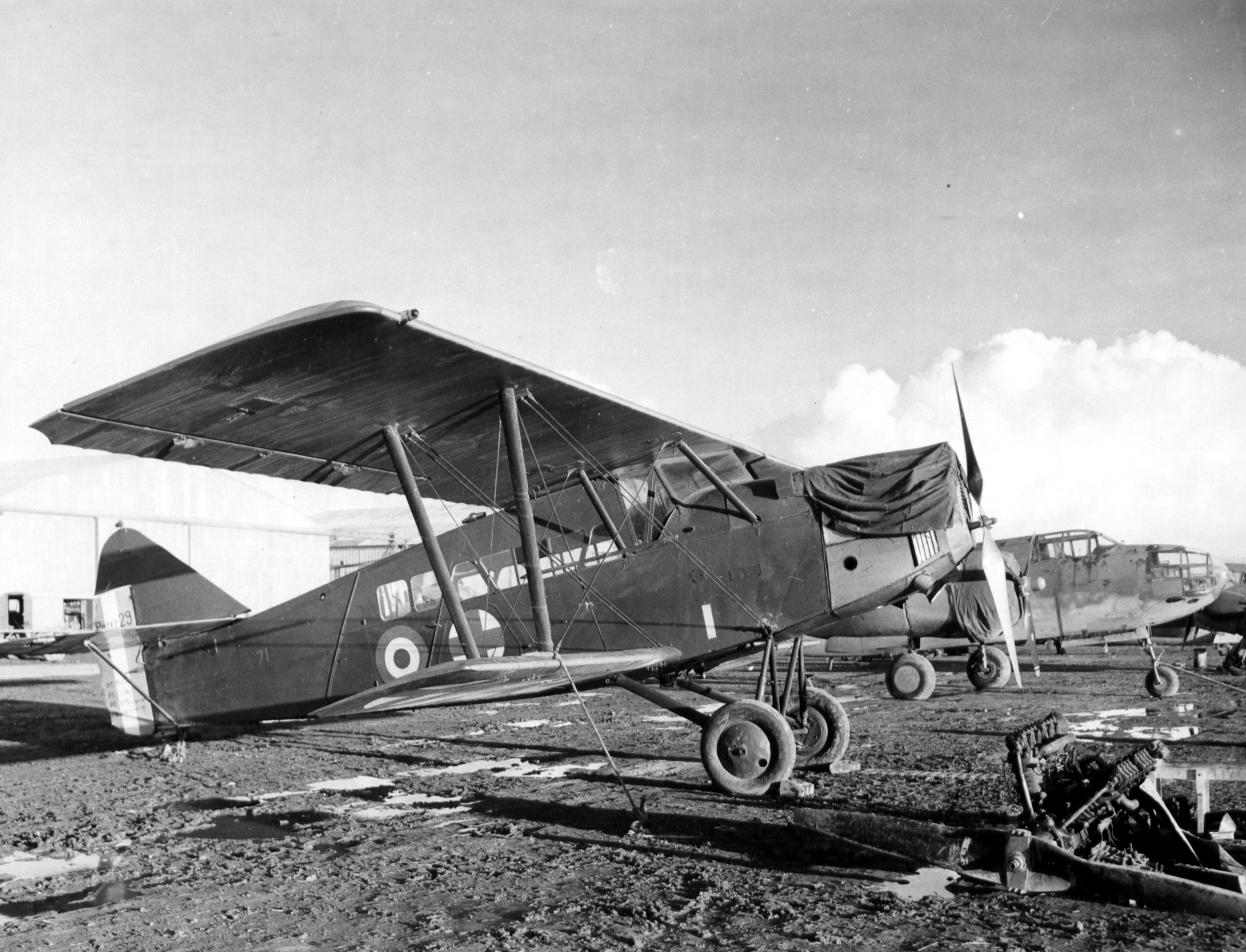
The Potez 29, with its first flight in 1927, emerged from an era of fervent aeronautical innovation, marking the transition from the pioneering era to that of structured commercial aviation. Developed by the renowned French company Société des Avions Henri Potez, it represented a concrete response to the growing need for reliable civil aircraft.
This biplane monoplane drew direct inspiration from the famous Potez 25, a highly successful and versatile military biplane, which had demonstrated its exceptional qualities in various roles. The engineering of the Potez 29 was expertly oriented to adapt the robustness and performance of its predecessor to the needs of passenger and cargo transport.
The genesis of the Potez 29 is part of a post-war context, where France, a leader in world aviation, aimed to consolidate its air routes and extend colonial influence through a network of increasingly efficient connections. The aircraft was conceived to be a tireless "workhorse" for these new ambitions.
Architecture & Technological Design
The architecture of the Potez 29 embodied the Potez philosophy: robustness, construction simplicity and operational reliability. Featuring a single-engine biplane configuration, it combined a welded steel tube fuselage and canvas covering with wood and canvas wings, a typical construction mix of the time that guaranteed lightness and resistance.
The design was notable for its enclosed cabin, a cutting-edge solution for passenger comfort in an era when open-air flights were still common. This feature made it particularly suitable for scheduled flights and cargo transport, protecting both people and goods from the elements.
Powered by proven radial engines, such as the Lorraine-Dietrich 12Eb 450 HP or the Gnome-Rhône 9Ac Jupiter 420 HP, the Potez 29 offered balanced performance, ideal for its mission. Its ability to carry 4 to 6 passengers or a significant payload made it extremely versatile.
Onboard Specifications
- ◆Modular and Robust Structure: Derived from the Potez 25, it guaranteed considerable resistance to stress and adaptability to different configurations.
- ◆Enclosed Cabin Comfort: A distinctive feature that raised the standard for passenger transport and effectively protected cargo.
- ◆Reliable Motorization: The use of proven radial engines ensured ease of maintenance and excellent operation even in difficult conditions.
Operational Career & Operators
The Potez 29 quickly established itself as a mainstay of nascent French civil air transport. It was widely employed by iconic airlines such as Air Union, CIDNA and even the epic Aéropostale, consolidating the first national and international trade routes.
Its role was crucial in the development of routes to the French colonies, particularly in North Africa and Indochina, where its reliability and ability to operate from improvised airfields were invaluable qualities. It was also used in some military aviation for liaison and light transport tasks.
Although it was not a speed or distance record aircraft, its real strength lay in its reliability and low operating costs, making it a true "mule" of the air. It contributed significantly to the establishment of regularity and confidence in commercial air travel.
Legacy & Cultural Impact
The legacy of the Potez 29 is profound, yet often overlooked. It represents a fundamental chapter in the transition from experimental aviation to mass air transport, demonstrating that scheduled flights could be not only heroic, but also pragmatic and profitable.
While not introducing radical innovations, the Potez 29 refined and standardized existing technologies and concepts, making them accessible and functional for large-scale civilian use. Its widespread adoption helped form the infrastructure and operational foundations of future airlines.
Symbol of an era of expansion and faith in technical progress, the Potez 29 embodies the spirit of pragmatism and vision of interwar France. Its history testifies to the importance of "worker" aircraft in shaping the future of global air transport.
Telemetria Specs (HUD)
Hangar Trivia & Curiosità
- 💡The Potez 29 was a direct descendant of the highly successful Potez 25 multi-role biplane, inheriting many of its design characteristics and proven reliability.
- 💡Beyond its military transport and liaison roles, the Potez 29 was also adapted for civil aviation, including mail delivery and passenger transport in some instances.
- 💡It saw significant service in French colonial territories, particularly in North Africa, where its ruggedness and reliability were highly valued for operating in challenging, remote conditions.
Archivio Avvistamenti Spotter
Immagini scattate dalla community in tutto il mondo