170 Wayfarer
Costruttore Sconosciuto
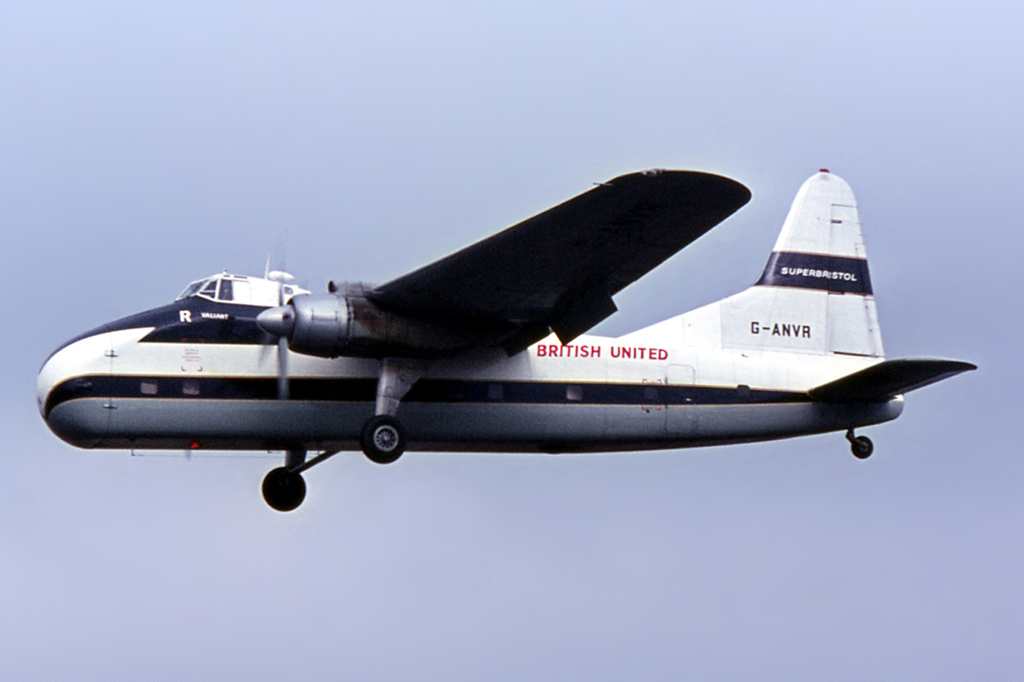
Historical Context & Origins
The Aviation 170 Wayfarer, with its first recorded flight in 1945, emerged from an era of profound global transformation. The end of World War II unleashed unprecedented demand for robust, affordable civil air transport capable of redeveloping conflict-ravaged infrastructures and economies. The Wayfarer was the answer to this pressing need.
Conceived as a utilitarian and versatile aircraft, the Wayfarer entered the post-war landscape as a bridge between advanced military technologies and the needs of nascent civilian mass transport. Its designers aimed to create an aerial "workhorse", an aircraft that could operate in difficult conditions, from semi-prepared runways and with low operating costs.
Architecture & Technological Design
The design of the Wayfarer was based on maximum functionality and robustness. It was a high-wing twin-engine monoplane, a configuration that offered excellent visibility to the pilots and facilitated loading and unloading operations. Its all-metal structure ensured durability and considerable load capacity.
The thrusters were generally two powerful and reliable radial engines, chosen for their proven durability and ease of maintenance, crucial elements for operations in remote areas. Its aerodynamics, while not cutting edge for speed, were optimized for stability and the ability to carry considerable loads on short- and medium-range routes.
Onboard Specifications
- ◆Large Front Loading Door: Strategically positioned to allow the rapid loading of bulky goods and light vehicles, making it a true "air ferry".
- ◆Reinforced Fixed Tricycle Cart: Designed to withstand the wear and tear of unpaved tracks and uneven surfaces, a key element for its versatile operation.
- ◆Convertible Modular Cabin: Allowed rapid internal reconfiguration from passenger transport (up to 40 seats) to pure cargo configuration, maximizing operational flexibility.
Operational Career & Operators
The Aviation 170 Wayfarer quickly earned a reputation as the tireless packhorse of the post-war skies. It was employed intensively by numerous smaller airlines and cargo operators in Europe, Africa and Oceania, playing essential roles in re-establishing connections and trade.
Its reliability and ability to operate in adverse conditions made it particularly valuable for freight and passenger services in areas with limited infrastructure. Multiple stories of heroic flights through rugged mountains or dense jungles have cemented its reputation as an indestructible aircraft, capable of completing any mission.
Legacy & Cultural Impact
The Wayfarer's legacy is that of a silent pioneer of modern civil aviation. While not remembered for record-breaking speeds or futuristic designs, its contribution to post-war economic recovery and global connectivity is invaluable. It demonstrated the feasibility of large-scale air transportation, even with limited resources.
Many examples of the Wayfarer continued to fly for several decades, some into the 1980s, a testament to its exceptional durability and forward-thinking design. It remains a symbol of resilience and engineering ingenuity, an airplane that literally helped rebuild the world, brick by brick, or rather, load by load.
Telemetria Specs (HUD)
Hangar Trivia & Curiosità
- 💡Its distinctive clamshell nose doors allowed for easy loading of bulky cargo and vehicles, a revolutionary feature for its time.
- 💡The Freighter version was famous for transporting cars, earning it the nickname 'The Flying Car Park' among other roles.
- 💡Designed for rugged, short-haul operations, it saw extensive service globally, from flying fresh produce in New Zealand to connecting remote communities in Canada.
Archivio Avvistamenti Spotter
Immagini scattate dalla community in tutto il mondo