14T
Breguet
Historical Context & Origins
The Breguet 14T, where the "T" stands for Transport, emerged from a crucial historical context: the immediate post-war period. With the end of the Great War, the vast arsenal of military aircraft and the experience of thousands of pilots were looking for a new vocation, and civil transport represented an exciting frontier.
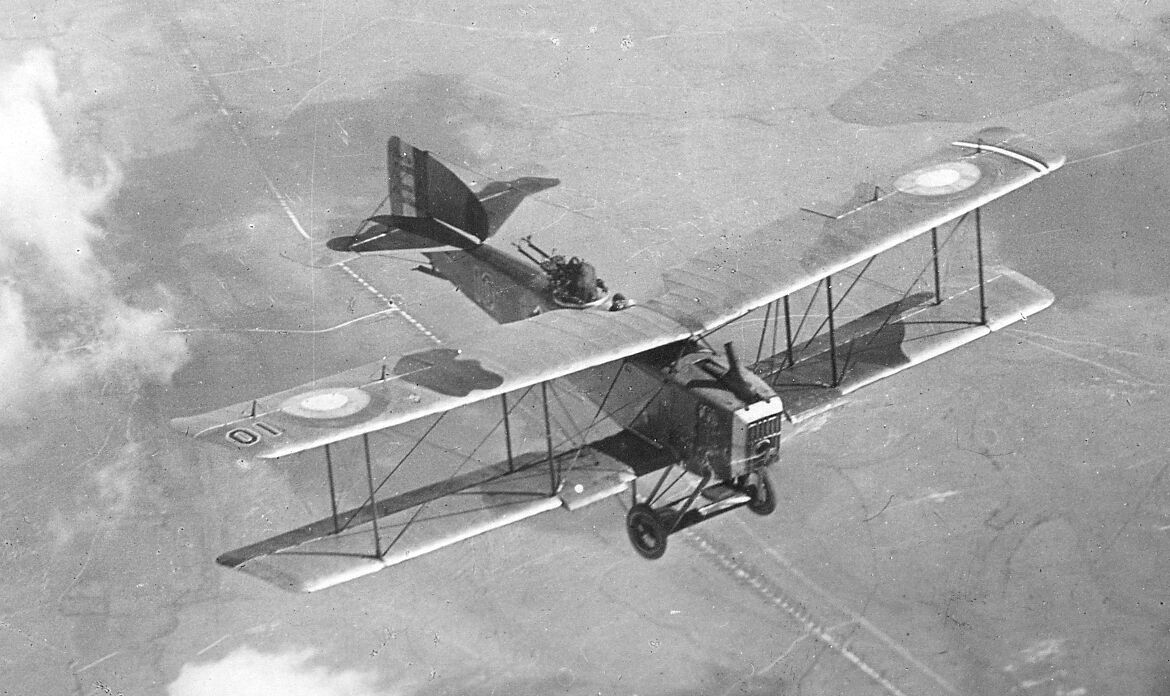
This iconic airplane was not an ex-novo project, but rather a clever conversion of the already famous Breguet 14, a formidable two-seater bomber and reconnaissance plane that had demonstrated exceptional qualities of robustness and reliability on the battlefield. Louis Breguet's vision was to adapt a proven platform to the emerging needs of commercial air transport.
Its first flight in 1919 officially marked the entry of the Breguet 14T into the aviation landscape. This transformation not only capitalized on an established design, but also demonstrated extraordinary foresight in anticipating the need for regular air connections for passengers and cargo.
Architecture & Technological Design
The architecture of the Breguet 14T maintained the solid biplane layout of its military predecessor, a configuration that guaranteed structural stability and good low-speed performance, ideal for the time. Its construction was an engineered mix of wood and canvas, with metal reinforcements, giving it a balance between lightness and strength.
The beating heart of this pioneer was typically a Renault 12Fe V-12 or a Fiat A.12bis engine, capable of delivering around 300-400 HP. These engines, although technologically advanced for the time, were selected for their reliability and relative ease of maintenance, fundamental aspects for the long airline routes that were beginning to emerge.
The configuration of the 14T varied considerably: from versions with a closed cabin for two or four passengers, which offered revolutionary comfort for the time, to those dedicated exclusively to the transport of mail and goods. Versatility was its strength, allowing it to quickly adapt to different market demands.
Onboard Specifications
- ◆Enclosed and heated passenger cabin: A key innovation that provided protection from the elements and unprecedented comfort for travelers.
- ◆Large flight range: Crucial for connecting cities such as Paris, London and Brussels without intermediate stops, accelerating trade and communication.
- ◆Easy-to-maintain wood-and-canvas biplane structure: Allowed for quick and inexpensive repairs, a key factor in the sustainability of nascent airlines.
Operational Career & Operators
The Breguet 14T quickly became the backbone of Europe's nascent airlines, ushering in a new era of connectivity. Pioneering carriers such as Compagnie Aérienne Française, Compagnie des Grands Express Aériens and the future Air Union used it extensively on their routes.
Its iconic destinations included connections between Paris and London, and between Paris and Brussels, routes that we take for granted today but which at the time represented real feats. These flights carried not only adventurous passengers but also urgent mail and cargo, demonstrating the economic viability of air travel.
Despite the technical and meteorological challenges of an aviation still in its infancy, the Breguet 14T stood out for its reliability and robustness. Many pioneering pilots praised its stability in flight, helping to lay the foundation for the regularization and safety of future commercial air routes.
Legacy & Cultural Impact
The Breguet 14T was not just an airplane, but a true symbol of the pioneering era of air transport. Its ability to transition from the battlefield to trade routes demonstrated to the world the versatility and potential of aviation, transforming the perception of flight from a military endeavor to a means of civil progress.
Its operation contributed decisively to validating the business model of commercial airlines, laying the foundations for the industry we know today. It was a crucial platform for the development of future generations of airliners, providing invaluable data and experience.
The legacy of the Breguet 14T lies in its demonstration that the sky was not only a theater of war, but also a vast highway for trade and travel. His courageous 1919 flight and thousands of hours of service marked the beginning of the democratization of air travel, leaving an indelible mark on the history of aviation.
Telemetria Specs (HUD)
Hangar Trivia & Curiosità
- 💡It was one of the first aircraft specifically modified for civilian passenger and cargo transport after World War I.
- 💡Many 14T models were converted directly from surplus military Breguet 14s, showcasing their adaptability.
- 💡It played a significant role in establishing early commercial airlines and airmail services in France and beyond.
Archivio Avvistamenti Spotter
Immagini scattate dalla community in tutto il mondo