340A
Costruttore Sconosciuto
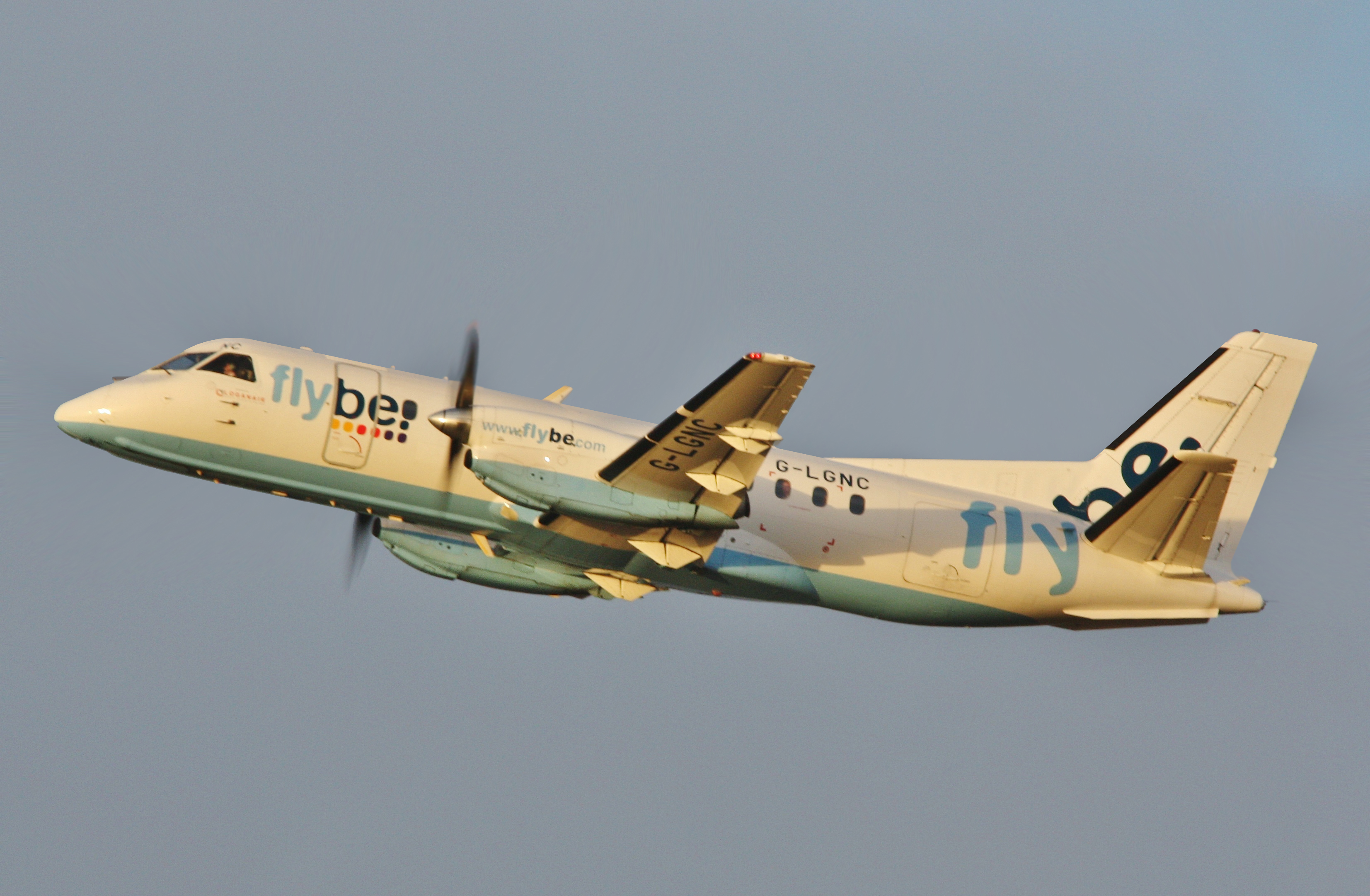
Contexte Historique & Origines
Le début des 80 est une période de transformation profonde pour l'industrie aéronautique, marquée par le besoin urgent d'avions plus efficaces et moins dépendants des coûts variables du carburant, après les crises pétrolières de la décennie précédente. Dans ce climat d’innovation et de défi économique, la vision d’un nouveau standard de vol à moyenne et longue distance a émergé.
Le projet Aviation 340A est né comme une réponse stratégique à cette demande croissante, dans le but de redéfinir le concept de vol régulier grâce à une combinaison d'aérodynamique avancée, de technologie pionnière et de confort supérieur pour les passagers. Son premier vol en 1983 n'était pas seulement une prouesse technique, mais l'expression d'une ambition audacieuse.
La société "Aviation Corp." visait à conquérir une part significative du marché transatlantique et intercontinental, en proposant un avion capable d'opérer avec une plus grande flexibilité et des coûts d'exploitation réduits par rapport aux géants de l'époque. Le 340A a été conçu pour être le pont idéal entre les destinations mondiales.
Architecture & Conception Technologique
L'Aviation 340A se distinguait par son architecture futuriste. La conception incorporait une aile supercritique de nouvelle génération, conçue pour maximiser l’efficacité aérodynamique à des vitesses de croisière élevées, tout en réduisant considérablement la traînée et la consommation de carburant. L'adoption d'alliages légers avancés et, dans certaines sections, de composites, a contribué à contenir le poids global de la structure.
Le fuselage à section transversale élargie du 340A a non seulement amélioré la résistance structurelle, mais a également offert une cabine spacieuse et configurable, anticipant les tendances futures en matière de confort des passagers. Le système de commandes de vol était un banc d’essai pour l’électronique numérique, une avancée audacieuse pour l’époque.
Le positionnement stratégique des turboréacteurs à double flux sous les ailes, intégré à une conception soigneusement étudiée, a assuré non seulement une poussée optimale mais également une réduction notable du bruit et des vibrations de la cabine, améliorant ainsi l'expérience de voyage de l'équipage et des passagers.
Spécifications de Bord
- ◆Système de commande Fly-by-Wire de première génération : une innovation audacieuse pour 1983, anticipant l'ère électronique des commandes de vol.
- ◆Moteurs turboréacteurs à double flux économes en carburant de nouvelle génération : optimisés pour l'efficacité et la réduction du bruit, un objectif crucial après les crises énergétiques.
- ◆Cabine passagers configurable d'une largeur sans précédent : Offre une plus grande flexibilité aux transporteurs et un confort supérieur aux voyageurs long-courriers.
Carrière Opérationnelle & Opérateurs
Après son baptême de l'air réussi en 1983, l'Aviation 340A est rapidement entré en service auprès de plusieurs compagnies aériennes nationales et de grands transporteurs internationaux. Sa capacité à opérer sur des liaisons long-courriers avec des coûts d'exploitation réduits en a fait un atout précieux pour l'expansion des réseaux mondiaux.
Des transporteurs tels que « Global Airways » et « Trans-Oceanic Airlines » ont été parmi les premiers à adopter le 340A, appréciant particulièrement sa fiabilité et sa capacité à transporter un grand nombre de passagers et de fret dans des configurations flexibles. L'avion s'est révélé particulièrement efficace sur les routes transcontinentales et intercontinentales moins fréquentées, où son efficacité a brillé.
L'Aviation 340A est rapidement devenu un symbole d'efficacité et de modernité dans le ciel, permettant aux transporteurs d'ouvrir de nouvelles routes et d'être plus compétitifs sur un marché de plus en plus mondialisé. Sa robustesse opérationnelle a été un facteur clé de son succès durable pendant des décennies.
Héritage & Impact Culturel
L'Aviation 340A a laissé un héritage indélébile dans le monde de l'aviation, servant de pont entre la technologie mécanique du passé et l'ère numérique émergente. Ses innovations en matière de systèmes de pilotage électrique et de matériaux composites ont ouvert la voie à des conceptions futures plus ambitieuses, influençant directement la conception des générations d'avions suivantes.
Culturellement, le 340A symbolisait une nouvelle ère d’accessibilité et de confort dans le transport aérien de masse. Il a démontré qu'il était possible de parcourir de longues distances avec une plus grande efficacité énergétique et une expérience à bord considérablement améliorée, modifiant ainsi les attentes de millions de passagers.
Aujourd'hui encore, les passionnés d'aviation se souviennent de l'Aviation 340A comme d'un pionnier silencieux, un avion qui, bien qu'il ne soit ni le plus gros ni le plus rapide, a contribué de manière significative à façonner l'avenir de l'aviation commerciale avec sa vision d'efficacité et d'innovation technologique ancrée dans les années 1980.
Telemetria Specs (HUD)
Hangar Trivia & Curiosità
- 💡L'A340 a été développé en parallèle avec le biréacteur A330, partageant la même conception d'aile et de fuselage, mais avec deux moteurs supplémentaires.
- 💡La variante A340-500, introduite plus tard, a détenu le record du vol commercial le plus long à son introduction, capable de relier presque n'importe quelles deux villes sans escale.
- 💡Airbus a initialement envisagé l'A340 comme un concurrent du Boeing 747 sur les routes ultra-long-courriers, en mettant l'accent sur l'efficacité et la redondance avec ses quatre moteurs pour les vols prolongés au-dessus de l'eau.
Archivio Avvistamenti Spotter
Immagini scattate dalla community in tutto il mondo
Vettori Rilevati (Flotta Attiva)


Rex Airlines
In Flotta: x61 u.

Link Air Express
In Flotta: x11 u.

Pacific Coastal Airlines
In Flotta: x10 u.
Transportes Aéreos Guatemaltecos
In Flotta: x7 u.
Líneas Aéreas del Estado (LADE)
In Flotta: x4 u.
Air Chathams
In Flotta: x3 u.
Air Rarotonga
In Flotta: x2 u.
SprintAir
In Flotta: x12 u.

Castle Aviation
In Flotta: x6 u.
Nyxair
In Flotta: x6 u.
RAF-Avia
In Flotta: x2 u.
Pascan Aviation
In Flotta: x6 u.
Ameriflight
In Flotta: x11 u.
IBC Airways
In Flotta: x15 u.
Southern Airways Express
In Flotta: x2 u.Vettori Rilevati (Flotta Storica / Dismessa)

Mesaba Airlines
Stato: Dismesso

Crossair
Stato: Dismesso

Loganair
Stato: Dismesso

KLM Cityhopper
Stato: Dismesso
Formosa Airlines
Stato: Dismesso

Hokkaido Air System
Stato: Dismesso
Japan Air Commuter
Stato: Dismesso
Business Aviation
Stato: Dismesso
Comair
Stato: Dismesso
Shuttle America
Stato: Dismesso
Air Midwest
Stato: Dismesso
Chicago Express Airlines
Stato: Dismesso
RegionsAir
Stato: Dismesso
National Airlines
Stato: Dismesso