Tu-214
Tupolev
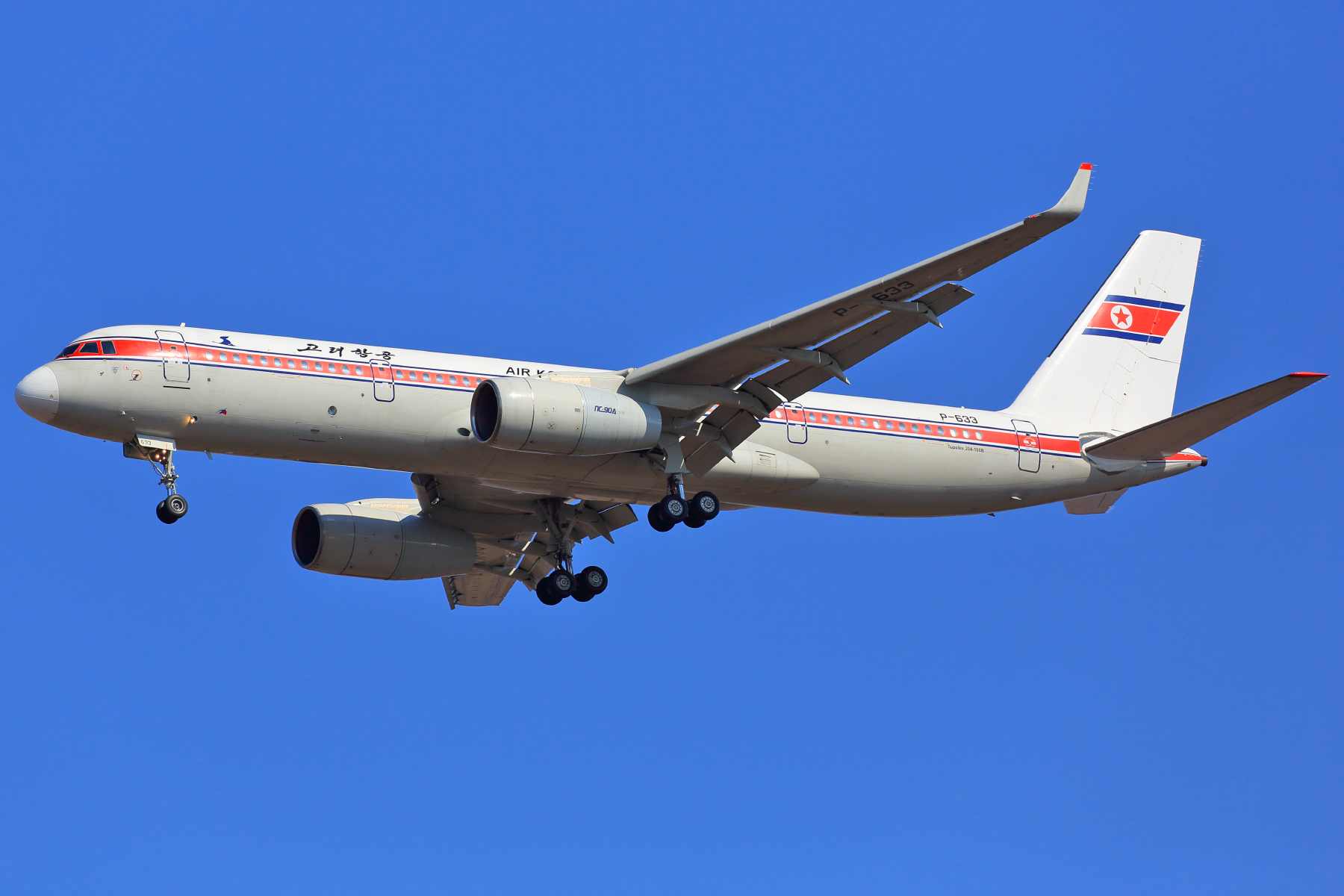
Historischer Kontext & Ursprünge
Die Tupolew Tu-214 ist das Ergebnis einer tiefgreifenden Umbruchphase für die russische Luftfahrtindustrie nach dem Zusammenbruch der Sowjetunion. Als Weiterentwicklung der Tupolev Tu-204 konzipiert, stellte sie die russische Antwort auf die Notwendigkeit dar, die zivile Luftflotte mit einem Mittelstreckenflugzeug zu modernisieren, das effizient ist und internationalen Standards entspricht. Ziel seiner Entwicklung war es, nach und nach die ikonische, aber inzwischen veraltete Tu-154 zu ersetzen.
Der Bedarf an einem modernen Verkehrsflugzeug, das mit seinen westlichen Pendants konkurrieren kann und eine bessere Betriebsleistung bietet, war dringend. Die Tu-214 wurde für nationale und internationale Strecken entwickelt, wobei der Schwerpunkt auf Treibstoffeffizienz und Lärmreduzierung lag – entscheidende Aspekte für den Zugang zu globalen Märkten. Der Erstflug dieses fortschrittlichen Prototyps fand im 1996 statt und markierte einen Meilenstein in der Wiedergeburt der russischen Luftfahrttechnik.
Architektur & Technologisches Design
Die Architektur der Tu-214 basiert auf einer Tiefdeckerkonfiguration und einem stromlinienförmigen Rumpf, optimiert für die Aerodynamik bei hohen Geschwindigkeiten. Im Gegensatz zur Tu-204 führte die 214-Version zu einer Erhöhung des maximalen Abfluggewichts (MTOW) und einer größeren Treibstoffkapazität, wodurch die Reichweite erheblich erweitert wurde. Dies positionierte ihn als echten Long-Ranger im Narrow-Body-Segment.
Der Motor wird von einem Paar Aviadvigatel PS-90A-Turbofans angetrieben, die im Vergleich zu früheren sowjetischen Motoren für ihre Zuverlässigkeit und bessere Leistung in Bezug auf Kraftstoffverbrauch und Emissionen bekannt sind. Die Integration dieser modernen Motoren war entscheidend für die Erfüllung der strengen akustischen und ökologischen Anforderungen. Die Konfiguration der Bordsysteme erfuhr eine bedeutende Weiterentwicklung und machte es zu einem für seine Zeit technologisch fortschrittlichen Flugzeug.
Bordspezifikationen
- ◆Erweiterte Reichweite: Durch die Fähigkeit, mehr Treibstoff zu transportieren, hatte die Tu-214 eine größere Einsatzreichweite und konnte ohne Unterbrechung beträchtliche Entfernungen zurücklegen.
- ◆Integrierte digitale Avionik: Ausgestattet mit einem fortschrittlichen „Glascockpit“ und Fly-by-Wire-Flugsteuerungssystemen erhöht es die Sicherheit und reduziert die Arbeitsbelastung des Piloten.
- ◆Reduzierter Lärmpegel: Die PS-90A-Triebwerke und die optimierte Aerodynamik ermöglichten es der Tu-214, in Übereinstimmung mit den Lärmnormen ICAO Kapitel 3 zu arbeiten.
Operative Karriere & Fluggesellschaften
Trotz ihrer fortschrittlichen technischen Spezifikationen hatte die Tu-214 eine relativ begrenzte kommerzielle Karriere, was hauptsächlich auf die starke Konkurrenz von Boeing und Airbus auf dem Weltmarkt zurückzuführen ist. Es hat jedoch eine wichtige Nische im Regierungs- und Sonderdienstbereich der Russischen Föderation gefunden. Viele Beispiele wurden für strategische Rollen adaptiert.
Das Flugzeug ist eine tragende Säule des Rossiya Special Flight Detachment, der Einheit, die den Präsidenten Russlands und andere hochrangige Beamte transportiert. Zu den Spezialversionen gehören der Tu-214PU (Luftkommandoposten), der Tu-214ON (Luftaufklärung) und der Tu-214R (SIGINT/ELINT-Überwachung). Diese Konfigurationen unterstreichen seine Vielseitigkeit und strategische Bedeutung für die russische Verteidigung und nationale Sicherheit.
In den letzten Jahren hat die Tu-214 aufgrund internationaler Sanktionen neue Bedeutung erlangt und es ist geplant, ihre Produktion drastisch zu steigern. Dies unterstreicht die Bedeutung einer robusten und bewährten inländischen Alternative für den zivilen und staatlichen Bedarf Russlands, die die Abhängigkeit von ausländischen Lieferanten verringert.
Erbe & Kultureller Einfluss
Die Tupolew Tu-214 ist viel mehr als nur ein Flugzeug; Es ist ein Symbol für die Widerstandsfähigkeit und technische Leistungsfähigkeit Russlands, insbesondere in einem komplexen geopolitischen Kontext. Trotz der Herausforderungen zeugen der fortgesetzte Betrieb und die Absicht, die Produktion zu steigern, von der Entschlossenheit, die strategische Unabhängigkeit im Luft- und Raumfahrtsektor aufrechtzuerhalten.
Sein Vermächtnis besteht darin, zu beweisen, dass die russische Luftfahrtindustrie technologisch fortschrittliche Flugzeuge herstellen kann, die in der Lage sind, entscheidende Aufgaben zu erfüllen. Die Tu-214 dient als Brücke zwischen den glorreichen Traditionen des sowjetischen Designs und den modernen Betriebsanforderungen und sichert der Luftfahrt und Spezialmissionen in Russland eine Zukunft. Es ist ein Beweis dafür, dass die Technik sich im Laufe der Zeit immer weiter entwickelt, sich anpasst und neu definiert.
Telemetria Specs (HUD)
Hangar Trivia & Curiosità
- 💡Il Tu-214 è prodotto esclusivamente presso lo stabilimento di aviazione di Kazan (KAPO), a differenza della maggior parte dei Tu-204 assemblati altrove, evidenziando la sua produzione specializzata.
- 💡Molti Tu-214 sono utilizzati dallo Squadrone Speciale di Volo 'Rossiya' del governo russo per il trasporto VIP e in vari ruoli specializzati di intelligence, ricognizione e comunicazioni (ad esempio, Tu-214ON 'Open Skies').
- 💡È stato uno dei primi aeromobili di progettazione russa a soddisfare i rigorosi standard internazionali di rumore ed emissioni (come ICAO Chapter 3), rendendolo conforme per le operazioni nello spazio aereo occidentale.
Archivio Avvistamenti Spotter
Immagini scattate dalla community in tutto il mondo