777-300ER
Boeing
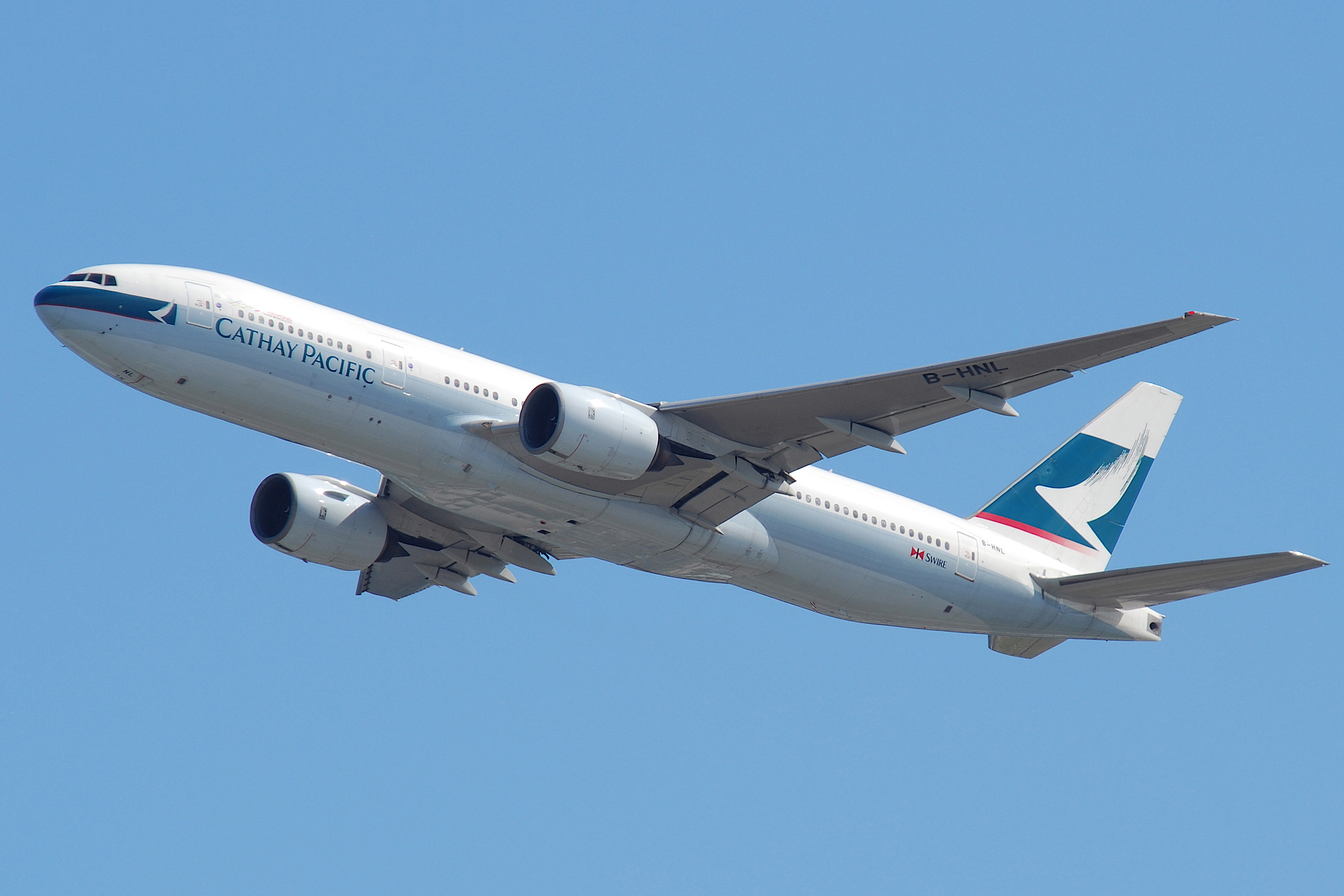
Historischer Kontext & Ursprünge
Die Boeing 777 mit dem Spitznamen „Triple Seven“ war seit ihrer Konzeption in den 1990er Jahren ein ehrgeiziges Projekt, das die Lücke zwischen der 767 und der 747 schließen sollte. Der Erfolg der Originalserie veranlasste Boeing, noch leistungsfähigere und weitreichendere Versionen zu entwickeln und so auf die wachsende Nachfrage nach Direktverbindungen zwischen entfernten Städten zu reagieren, ohne dass teurere und weniger effiziente viermotorige Flugzeuge erforderlich waren.
In diesem Zusammenhang entsteht die Boeing 777-300ER (Extended Range), eine Weiterentwicklung der bereits beeindruckenden 777-300. Bei diesem zweimotorigen Giganten handelte es sich nicht nur um eine Rumpfverlängerung, sondern um eine bedeutende Neukonstruktion, die darauf ausgelegt war, transkontinentale und transozeanische Strecken zu dominieren und dabei die ETOPS-Zertifizierungen (Extended-range Twin-engine Operational Performance Standards) voll auszunutzen.
Der Erstflug fand am 24. Februar 2003 statt und läutete eine neue Ära für den Langstreckenflugverkehr ein. Mit ihrer außergewöhnlichen Kombination aus Kapazität, Effizienz und Reichweite positionierte sich die 777-300ER schnell als idealer Nachfolger der älteren Boeing 747 und MD-11 und versprach drastisch reduzierte Betriebskosten.
Architektur & Technologisches Design
Die Architektur der 777-300ER stellt einen Höhepunkt der Luftfahrttechnik dar und vereint Innovation und Zuverlässigkeit. Das Herzstück seiner Langstreckenfähigkeit sind die General Electric GE90-115B-Triebwerke, die zum Zeitpunkt ihrer Einführung die leistungsstärksten waren, die jemals in einem Verkehrsflugzeug verbaut wurden. Diese Giganten sind der Schlüssel zur größeren Reichweite und außergewöhnlichen Leistung des Flugzeugs.
Neben dem Antrieb wurden auch an der Flugzeugzelle erhebliche Änderungen vorgenommen. Die Flügel wurden verlängert und mit geharkten Flügelspitzen ausgestattet, um die aerodynamische Effizienz zu verbessern und den Treibstoffverbrauch auf langen Strecken zu senken. Das Fahrwerk wurde verstärkt, um dem erhöhten Abfluggewicht Rechnung zu tragen, und zwar durch die innovative Integration eines dritten Radpaares am zentralen Hauptfahrwerk.
Das vollständig digitale Fly-by-Wire-Cockpit-Design bietet Piloten eine präzise Steuerung und fortschrittliche Verwaltung der Flugsysteme und spiegelt Boeings Engagement für Sicherheit und Effizienz wider. Der verlängerte Rumpf mit seinen 73,9 Metern maximiert die Passagier- und Frachtkapazität und macht ihn zu einem echten Arbeitstier der Lüfte.
Bordspezifikationen
- ◆General Electric GE90-115B-Triebwerke: Mit einem beeindruckenden Schub von 115.300 lb (ca. 513 kN) pro Triebwerk halten sie den PS-Rekord für ein kommerzielles Düsentriebwerk.
- ◆Erhöhte Kraftstoffkapazität: Der 777-300ER kann bis zu 195.000 Liter Kraftstoff transportieren und bietet so eine Reichweite von über 14.500 km.
- ◆Verstärkte Struktur und geneigte Flügelspitzen: Verbessern Sie den Auftrieb, reduzieren Sie den induzierten Luftwiderstand und erhöhen Sie die Treibstoffeffizienz, was für Langstreckeneinsätze von entscheidender Bedeutung ist.
Operative Karriere & Fluggesellschaften
Seit ihrer Einführung hat die Boeing 777-300ER den Weltmarkt erobert und ist zum Rückgrat vieler der renommiertesten Fluggesellschaften der Welt auf internationalen Strecken geworden. Fluggesellschaften wie Emirates, Cathay Pacific, Qatar Airways, British Airways und Air France haben es in großer Zahl übernommen und schätzen das unübertroffene Gleichgewicht zwischen Kapazität, Reichweite und Betriebskosten.
Seine Zuverlässigkeit und die Fähigkeit, lange, schmale Strecken mit nur einem Stopp zu bewältigen, haben ihn zu einem „Game-Changer“ gemacht. Es hat die Eröffnung neuer Direktverbindungen ermöglicht, beispielsweise Nonstop-Verbindungen zwischen Nordamerika und Asien oder Europa und Australien, wodurch sich die Luftkarte verändert und die Reisezeit für Millionen von Passagieren verkürzt wird.
Nicht nur für Passagiere, sondern auch für den Frachttransport bietet die 777-300ER erhebliche Möglichkeiten. Seine Vielseitigkeit, gepaart mit einem hervorragenden Ruf für Kabinenkomfort und Borderlebnis, hat seine Position als eines der beliebtesten und erfolgreichsten Langstreckenflugzeuge in der Geschichte der kommerziellen Luftfahrt gefestigt.
Erbe & Kultureller Einfluss
Die Boeing 777-300ER ist nicht nur ein Flugzeug; Es ist eine Ikone, die die Erwartungen an die Langstreckenluftfahrt neu definiert hat. Es zeigte eindeutig, dass zweimotorige Flugzeuge auf den längsten Strecken nicht nur mit der Leistung und Effizienz von viermotorigen Flugzeugen mithalten, sondern diese sogar übertreffen konnten, und setzte damit einen neuen Standard für die Konstruktion von Großraumflugzeugen.
Sein Einfluss geht weit über die reine technische Leistung hinaus. Es hat die Art und Weise, wie Menschen reisen, geprägt und bisher schwer erreichbare Ziele zugänglicher und bequemer gemacht. Seine Präsenz ist eine Konstante auf den großen Flughäfen der Welt und ein Symbol für globale Konnektivität und technologischen Fortschritt.
Das Erbe der 777-300ER ist das eines Pioniers. Er war Pionier einer neuen Generation zweimotoriger Langstreckenflugzeuge und hatte direkten Einfluss auf die Entwicklung von Flugzeugen wie dem Boeing 787 Dreamliner und dem Airbus A350, die seine Vision von Effizienz und Autonomie fortsetzten. Es bleibt eine unersetzliche Säule des modernen Luftverkehrs, ein wahres Meisterwerk der Technik und des Designs.
Telemetria Specs (HUD)
Hangar Trivia & Curiosità
- 💡The 777-300ER was the largest twinjet aircraft in the world until the introduction of the 777X series.
- 💡It holds an ETOPS-330 certification, allowing it to fly up to 330 minutes away from the nearest diversion airport on a single engine.
- 💡Its GE90-115B engines are the most powerful commercial jet engines ever produced, with a fan diameter larger than the fuselage of a Boeing 737.
Archivio Avvistamenti Spotter
Immagini scattate dalla community in tutto il mondo
Vettori Rilevati (Flotta Attiva)

China Airlines
In Flotta: x10 u.
Biman Bangladesh Airlines
In Flotta: x4 u.

Turkish Airlines
In Flotta: x33 u.

Swiss International Air Lines
In Flotta: x12 u.

American Airlines
In Flotta: x20 u.
EVA Air
In Flotta: x13 u.

Emirates
In Flotta: x133 u.

China Southern Airlines
In Flotta: x10 u.

Air France
In Flotta: x43 u.
Etihad Airways
In Flotta: x19 u.
Ethiopian Airlines
In Flotta: x6 u.
Oman Air
In Flotta: x6 u.
Kenya Airways
In Flotta: x3 u.

Qatar Airways
In Flotta: x57 u.
Hainan Airlines
In Flotta: x10 u.
Thai Airways
In Flotta: x17 u.
Aeroflot
In Flotta: x17 u.

British Airways
In Flotta: x16 u.
Garuda Indonesia
In Flotta: x10 u.
Philippine Airlines
In Flotta: x10 u.
Korean Air
In Flotta: x26 u.
Air India
In Flotta: x13 u.
United Airlines
In Flotta: x22 u.

Saudia
In Flotta: x35 u.

KLM Royal Dutch Airlines
In Flotta: x16 u.
TAAG Angola Airlines
In Flotta: x3 u.
El Al
In Flotta: x6 u.

Singapore Airlines
In Flotta: x27 u.

Japan Airlines
In Flotta: x13 u.

LATAM Airlines Brasil
In Flotta: x10 u.
All Nippon Airways
In Flotta: x15 u.
Air China
In Flotta: x28 u.